Fiber optic cable lifespan: factors, ageing and maintenance
Contents
People often say that fiber optics last "a lifetime". The reality is more nuanced: the silica of the optical core is almost chemically indestructible, but the jackets, the coatings and above all the connectors degrade. Understanding the ageing mechanisms makes it possible to choose the right cable construction, to avoid installation mistakes and to set up appropriate maintenance to guarantee 25 to 40 years of reliable connection.
The physics of fiber ageing
The core of an optical fiber is made of silica (SiO₂) doped with germanium or fluorine. Silica is one of the most stable materials there is: it does not oxidize, does not corrode and is practically unaffected by ambient humidity in the absence of mechanical stress. This is why submarine cables laid in the 1990s still operate without any measurable degradation.
The main ageing mechanism of silica is static fatigue: under the effect of prolonged mechanical stress (tension, excessive bending), Si-O-Si bonds break slowly in the presence of humidity. This phenomenon, modeled by Weibull statistics, underpins the fiber breaking-strength standards (IEC 60793-1-30). For fibers installed without excessive mechanical stress, the expected lifespan exceeds 100 years.
The acrylate coating (250 µm primary coating) surrounding the silica is more sensitive: exposed to UV, humidity or extreme temperatures, it can become brittle over 10 to 20 years. It is the jacket and the coating that limit the real lifespan of an installation, not the silica itself.
Bare silica fiber can theoretically last more than a century. It is the coatings, the jackets and the connectors that define the practical lifespan of a complete installation.
Lifespan by cable type
Lifespans vary significantly depending on the cable's intended use:
- Transport cables (civil works, ducts, submarine): 25 to 40 years of design life according to ITU-T L.35. Trans-oceanic submarine cables have a contractual service life of 25 years, often exceeded.
- FTTH distribution cables (cabinets, riser shafts): 20 to 30 years for cables installed in ducts or cable trays.
- Outdoor subscriber drop cables: 15 to 25 years depending on UV exposure and climatic conditions.
- Indoor patch cords (patch cords): 10 to 20 years in normal service. The main cause of replacement is connector wear or degradation through poor handling (bending, pulling).
- Cables in industrial environments (vibration, chemicals, extreme temperatures): lifespan reduced to 5–15 years if the jacket is not suited to the environment.
Degradation factors
Several factors accelerate the ageing of a fiber installation:
1. UV radiation
Standard PVC jacket degrades under direct sunlight in 3 to 7 years. A PE (polyethylene) or HDPE jacket with UV stabilizers is mandatory for any outdoor cable exposed to the sun. A yellowed or cracked jacket is a sign of advanced degradation.
2. Humidity and liquid water
Water penetrating a non-watertight cable causes two phenomena: hydrogen migration (increased attenuation, especially at 1383 nm — the "OH peak") and swelling of the acrylate coatings. Distribution cables incorporate a water-repellent gel or water-swellable tapes to block longitudinal migration.
3. Temperature
Standard single-mode fibers (G.652D) withstand temperatures from −60 °C to +85 °C (according to IEC 60794-1-22). Acrylate coatings soften above 85 °C and become brittle below −40 °C. For extreme environments, polyimide coatings (−190 °C to +300 °C) or flame-resistant LSZH (Low Smoke Zero Halogen) jacketed cables are available.
4. Excessive bend radii
Bending a fiber below its minimum radius (see standard G.657) generates immediate bend losses and micro-cracks in the silica over the long term. A patch cord wedged behind a piece of furniture with a tight angle can show abnormal losses after just 6 months.
5. Rodents and insects
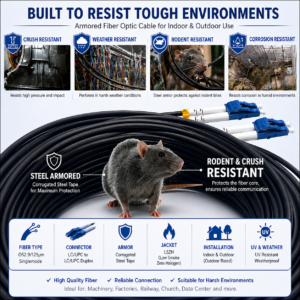
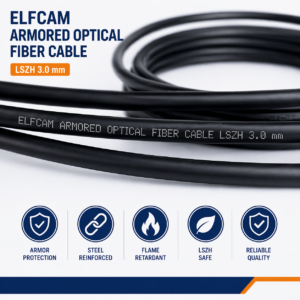
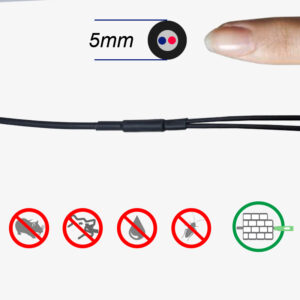
Unarmored outdoor cables are vulnerable to rodents. Marmots, rats and martens can sever an unarmored cable in a few minutes. Cables with steel armor (braided or steel wire) or a reinforced HDPE jacket offer effective protection.
6. Connectors and optical interfaces
The polished faces of connectors are microscopically fragile. A 1 µm dust particle is enough to create several dB of insertion loss. Connector contamination is the leading cause of degradation in datacenter installations and patch racks.
The number 1 enemy of fiber connections: dust
A field study by telecom operators estimates that 85% of fiber link problems are due to contaminated connectors. An uncleaned connector used 10 times accumulates deposits that increase insertion loss from 0.5 dB to several dB. Clean every connector before each connection with a cleaning pen or a certified wipe.
Outdoor cables: constructions for longevity
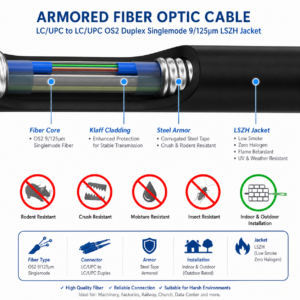
A long-life outdoor fiber optic cable incorporates several levels of protection:
- Fibers in thick tubes (loose tube): each fiber sits in a water-repellent gel inside a tube, isolated from mechanical stresses
- Aramid or steel strength members: tensile strength (≥ 600 N for aerial installation, ≥ 2700 N with armor)
- Braided steel armor or corrugated steel wire: protection against rodents and mechanical impacts
- Double-layer PE jacket with UV absorbers: lifespan ≥ 25 years under direct UV according to IEC 60794-1-22 method F1
- Water-blocking filling: swellable tape or gel to block longitudinal water migration
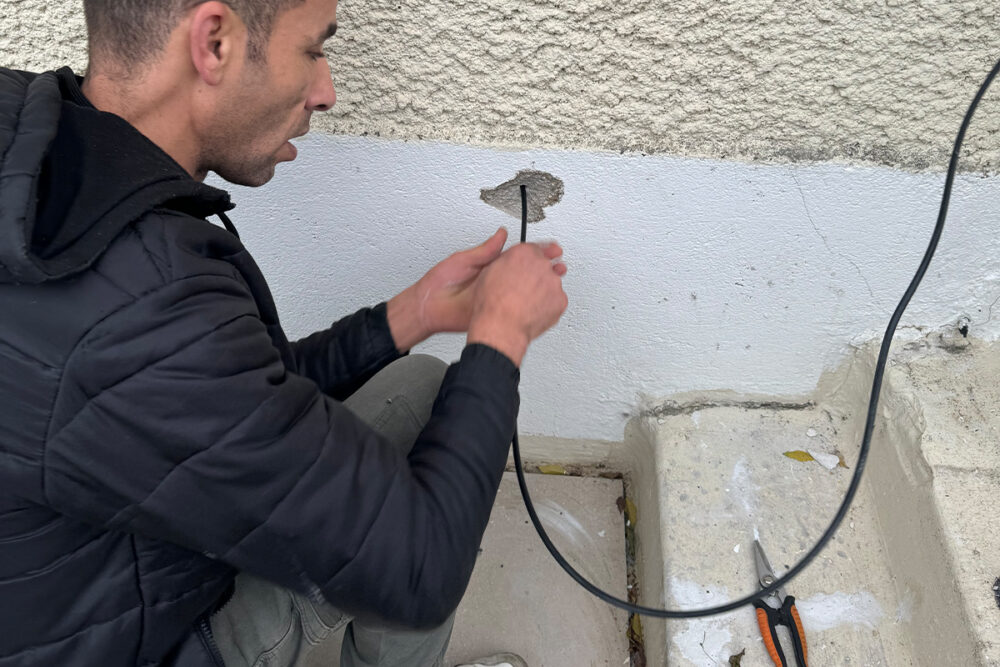
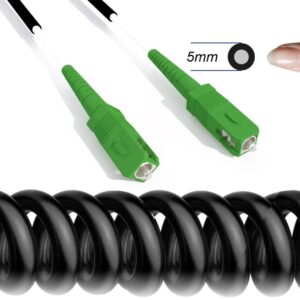
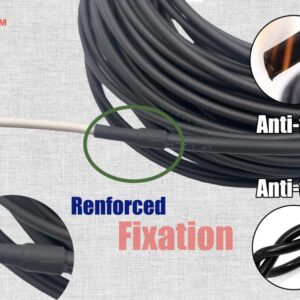
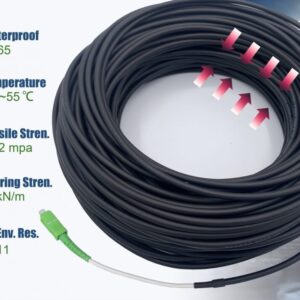
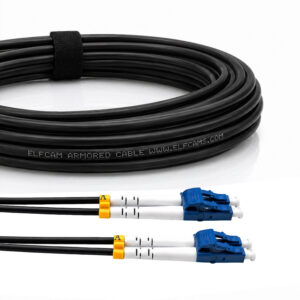
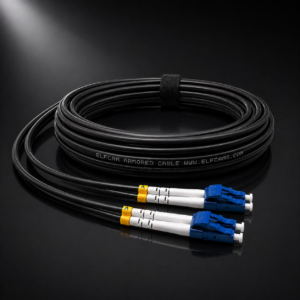
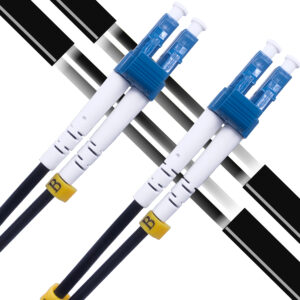
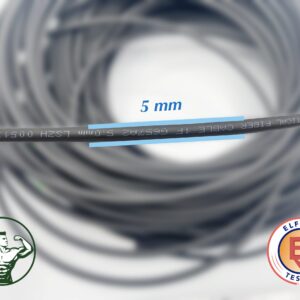
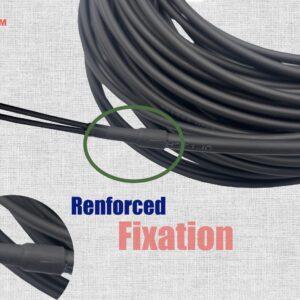
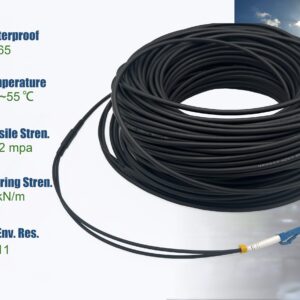
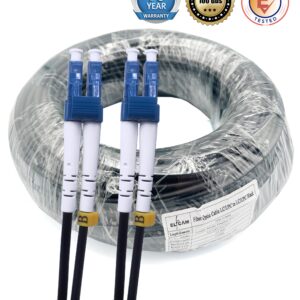
For short outdoor residential installations (house ↔ garage, building ↔ building on a campus), reinforced SC/APC cables with a PE and aramid jacket offer an excellent flexibility / protection compromise. They withstand temperatures from −40 °C to +85 °C and resist UV.

Connector lifespan
Fiber optic connectors are rated by the number of insertion/extraction cycles according to IEC 61755-2-1:
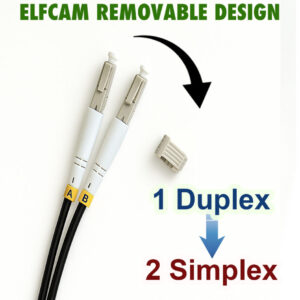
- Standard SC, LC, FC connectors: 500 to 1,000 cycles guaranteed without degradation above 0.2 dB of insertion loss
- Field-installable connectors: 200 to 500 cycles depending on quality
- Adapters (couplers): 500 to 1,000 insertions before recommended replacement of the ceramic or zirconia sleeve
In a residential FTTH installation where the patch cord is almost never unplugged, the 500 cycles are never reached over 20 years. By contrast, in a datacenter rack with frequent interventions (patching, reconfiguration), reaching 500 cycles over 5 years is possible — hence the importance of replacing degraded connectors early rather than battling with increasing losses.
The polishing methods of connector faces also influence durability:
- APC (8°): return loss ≥ 65 dB — optimal for FTTH and long-distance links
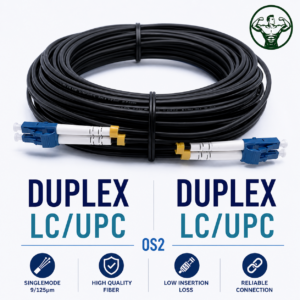
- UPC: return loss ≥ 50 dB — datacenter and active equipment standard
- PC (flat): return loss ≥ 40 dB — obsolete for new installations
Preventive maintenance and OTDR testing
A fiber installation does not require intensive regular maintenance — but a few simple practices make it possible to double its effective service life:
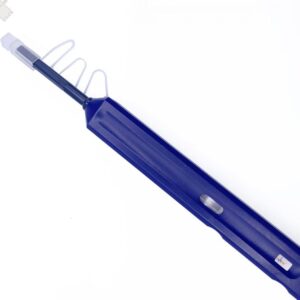
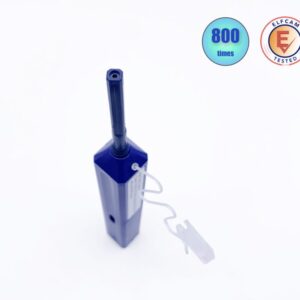
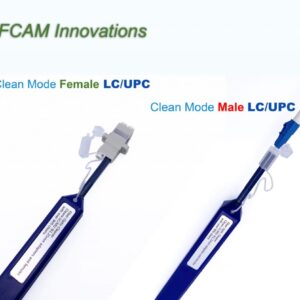
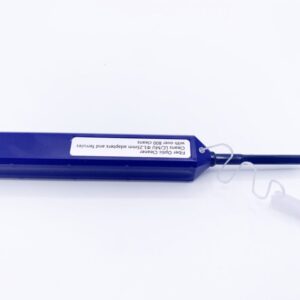
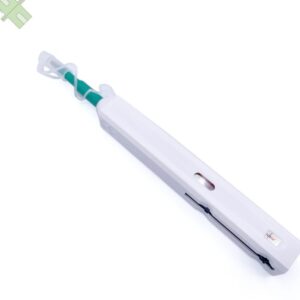
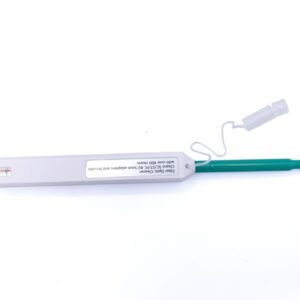
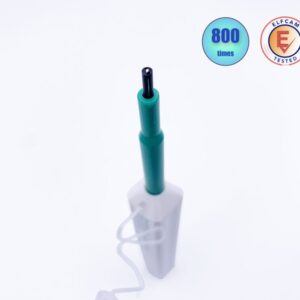
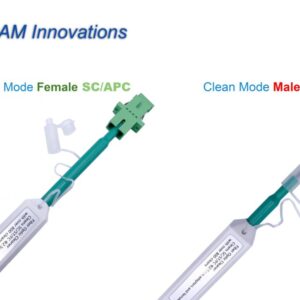
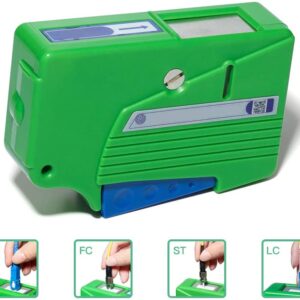
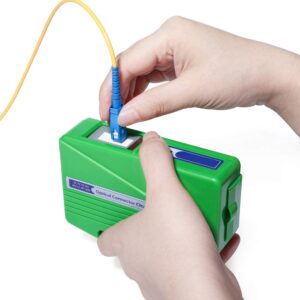
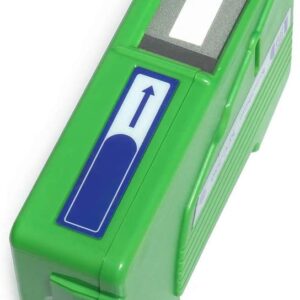
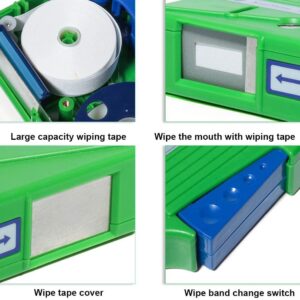
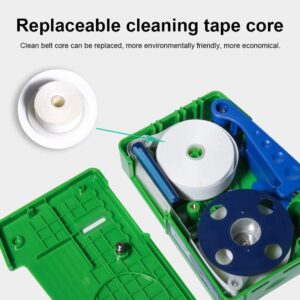
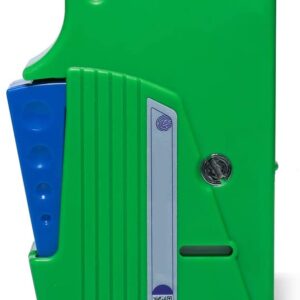
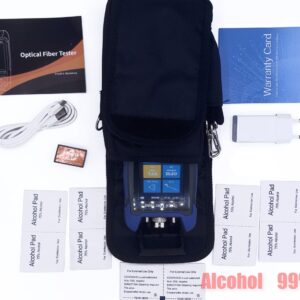
Connector cleaning: before each connection and at least once a year in active racks. Use a cleaning pen (800 cycles per pen) for male connectors, and a cassette cleaner for female adapters. Check visually with a fiber endface microscope.
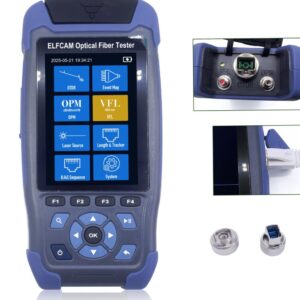
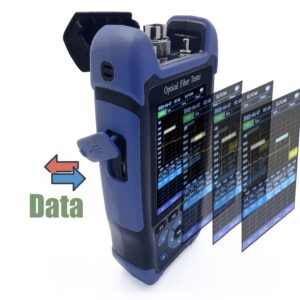
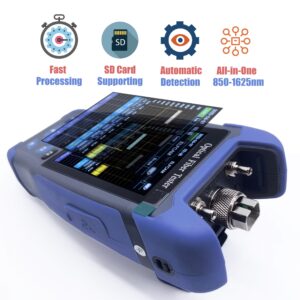
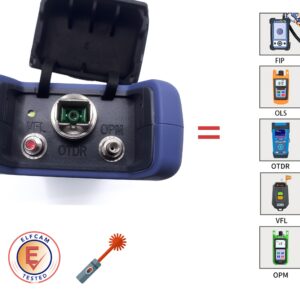
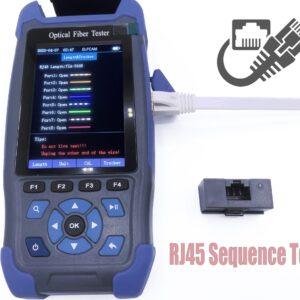
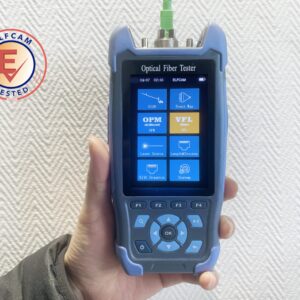
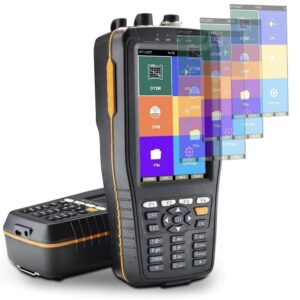
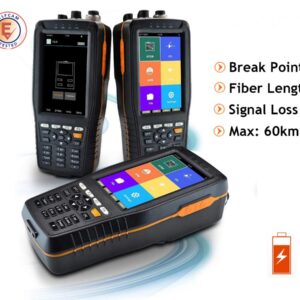
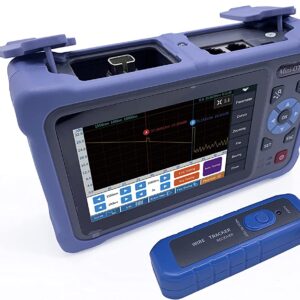
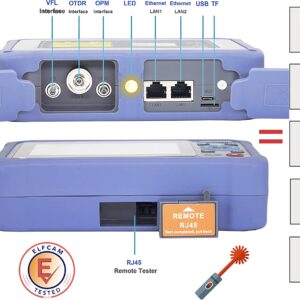
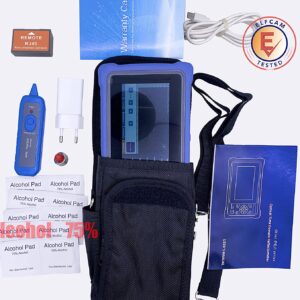
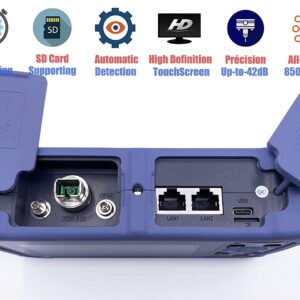
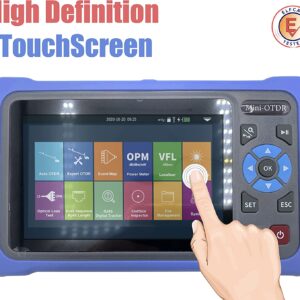
Periodic OTDR tests: an optical reflectometer makes it possible to map an entire link, to identify defective splices, degraded connectors and zones of excessive bending. A reference OTDR test at commissioning, then every 5 years or after an intervention, is enough to track the evolution of an installation.
Visual inspection: regularly check the condition of the jackets (yellowing, cracks), of the fixing clips (not too tight) and of the routing zones (bend radius respected).
Elfcam fiber maintenance tools
- SC and LC cleaning pens — 800 cleanings, suited to APC and UPC
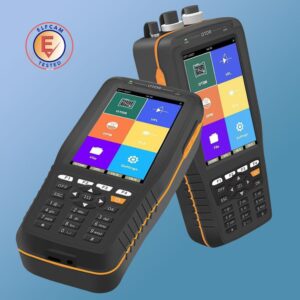
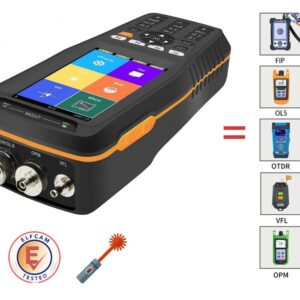
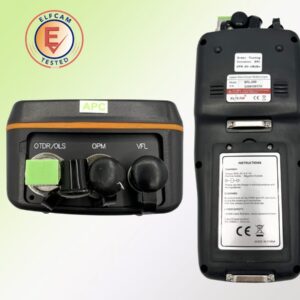
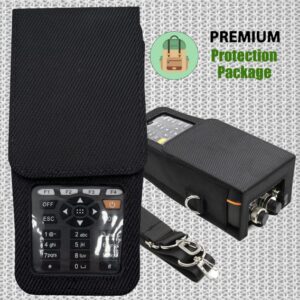
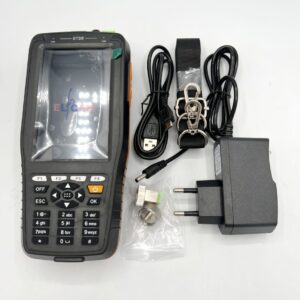
- ELF-3800 / ELF-4800 OTDRs — link tests at 1310/1550 nm up to 100 km


Comparison table: fiber optics vs copper cable
| Criterion | Fiber optics | Copper cable (Cat 6/7) |
|---|---|---|
| Material lifespan | 100+ years (silica) | 20–30 years (oxidation) |
| Typical service life | 25–40 years (infrastructure) | 15–20 years |
| Corrosion | None (no metal in the core) | Oxidation in humid environments |
| UV sensitivity | Resistant PE jacket (outdoor cables) | PVC jacket degrades in 5–7 years |
| Signal ageing | None (stable attenuation) | Increasing resistance over time |
| Rodents | Armored cable: protected. Unarmored: vulnerable. | Vulnerable regardless of construction |
| Lightning / surge | Immune (no conductor) | Sensitive — requires surge protector |
| Connector maintenance | Periodic cleaning (dust) | RJ45 replacement if oxidized |
| Performance loss over time | None if jacket intact | Slight degradation of HF performance |
| Replacement cost | High (civil works if buried) | Moderate |
1How long does a fiber optic cable really last?
The lifespan of a fiber cable depends on its type and its installation conditions: 25 to 40 years for infrastructure cables in ducts or buried (ITU-T L.35 design), 15 to 25 years for outdoor drop cables exposed to UV, 10 to 20 years for indoor patch cords in normal service. The silica itself lasts 100+ years — it is the jacket, the coatings and the connectors that limit the practical lifespan.
2Does fiber optics degrade over time like copper?
No — this is one of the major advantages of fiber. Silica does not oxidize, does not corrode and does not see its signal performance degrade with age (unlike copper, whose resistance increases slightly through oxidation). A fiber installed without excessive mechanical stress carries the same data rates after 30 years as on the first day. What ages is the mechanical protection (jacket, coating) and the connectors.
3Which cable should you choose for a durable outdoor installation?
For a long-life outdoor installation, favor a cable with: UV-resistant PE (polyethylene) or HDPE jacket, steel armor (rodent and impact protection), aramid strength members (tensile strength) and water-repellent filling (gel or swellable tape). The reinforced outdoor Elfcam cables meet these criteria with service temperatures from −40 °C to +85 °C.
4How can you tell if a fiber cable is damaged?
Several indicators: increased attenuation measured with the OTDR (compared to the reference reading), intermittent or permanent link loss, data rate degradation below the threshold of the active equipment. Visually: cracked, yellowed or deformed jacket. To precisely locate a break or degradation, an OTDR test indicates the exact distance of the fault from the measured end.
5Should a fiber patch cord be replaced after several years?
Not systematically. A good-quality patch cord installed without mechanical stress lasts 15 to 20 years. The signs that justify replacement: insertion loss above 0.5 dB (measured with the OPM), cracked connector or irreversible contamination (oil, glue, embedded dust), permanently split or bent jacket. Do not replace a cable whose connectors can simply be cleaned with a cleaning pen.
6What is the lifespan of SC/APC and LC/UPC connectors?
SC/APC and LC/UPC connectors are certified for 500 to 1,000 insertion/extraction cycles (IEC 61755-2-1) without degradation above 0.2 dB. In a residential FTTH installation where the patch cord is plugged in once and not unplugged for years, the 500 cycles are never reached over 20 years. In a datacenter with frequent patching, count on 5 to 10 years before replacement. Clean the connector at each connection to maximize lifespan.
7Can a fiber optic cable be repaired after a cut?
Yes, by fusion splicing: the two cut ends are thermally welded with a fusion splicer. The insertion loss of a good splice is on the order of 0.01 to 0.05 dB — practically undetectable. The splice is then protected by a heat-shrink sleeve and enclosed in a protective box. For short patch cords, repair is rarely economically justified — replacement is preferable.
8What are the delivery times for receiving a replacement Elfcam cable or accessories?
All reinforced outdoor fiber optic cables, SC/APC OS2 patch cords and Elfcam cleaning accessories are available in stock in France with shipping within 24 working hours. Orders placed before 2 p.m. are generally shipped the same day. For FTTH projects with large-quantity needs, professional quotes with scheduled delivery are available on request.