xPON, EPON, GPON: Was sind die Unterschiede? Vollständiger Leitfaden zu PON-Technologien
Inhaltsverzeichnis
GPON, EPON, XGS-PON, NG-PON2, xPON — die Welt der passiven optischen Netzwerke ist voll von ähnlich klingenden Akronymen, die jedoch ganz unterschiedliche Technologien bezeichnen. Dennoch bestimmt die Wahl zwischen diesen Standards direkt die verfügbaren Geschwindigkeiten, die kompatible Ausrüstung und die Kosten einer FTTH-Bereitstellung. Dieser Leitfaden entwirrt die wesentlichen Unterschiede zwischen GPON, EPON und xPON und erklärt, warum letztere Technologie sich als unverzichtbare Übergangslösung durchsetzt.
GPON und EPON sind nicht austauschbar — ihre Protokolle, Geschwindigkeiten und Kodierungen sind grundlegend verschieden. xPON löst dieses Inkompatibilitätsproblem, indem es automatisch den Typ des Netzwerks erkennt, mit dem es sich verbindet.
Was ist ein PON-Netzwerk?
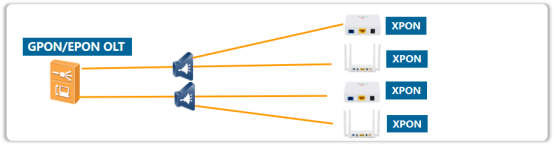
Ein PON-Netzwerk (Passive Optical Network) ist eine Punkt-zu-Mehrpunkt-Architektur eines Glasfaser-Zugangsnetzes. Es basiert auf drei Hauptkomponenten:
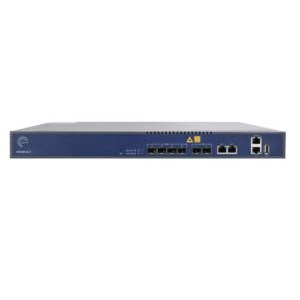
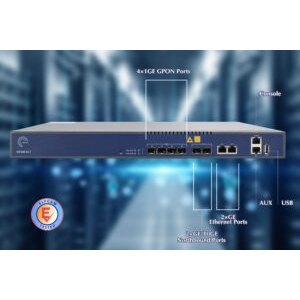
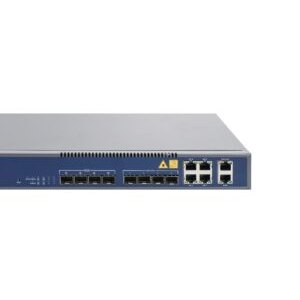
- OLT (Optical Line Terminal) — aktive Ausrüstung, die beim Betreiber oder in der Telefonvermittlungsstelle untergebracht ist. Es verwaltet das gesamte PON-Netzwerk und aggregiert die Teilnehmeranschlüsse.
- Passiver optischer Splitter — vollständig passiver Signalteiler (ohne Stromversorgung), der das optische Signal auf 2 bis 128 Teilnehmer verteilt.
- ONU/ONT (Optical Network Unit/Terminal) — aktive Ausrüstung, die beim Teilnehmer installiert ist und das optische Signal in ein nutzbares Ethernet- oder Telefonsignal umwandelt.
Die Bezeichnung „passiv" rührt daher, dass der Splitter keine Stromversorgung benötigt — er teilt einfach die Lichtleistung. Diese Architektur reduziert die Infrastruktur- und Wartungskosten erheblich im Vergleich zu einem klassischen Punkt-zu-Punkt-Netzwerk.
GPON — die Hochgeschwindigkeitsreferenz
GPON (Gigabit Passive Optical Network) ist durch die Norm ITU-T G.984 definiert. Es ist der dominierende Standard in Europa und bei den FTTH-Einsätzen der nationalen französischen Betreiber (Orange, SFR, Bouygues, Free).
- Downstream-Rate: 2,488 Gbps
- Upstream-Rate: 1,244 Gbps
- Kapselungsprotokoll: GEM (GPON Encapsulation Method)
- Maximales Teilungsverhältnis: 128 Teilnehmer pro OLT-Port (typischerweise 32 oder 64 im realen Einsatz)
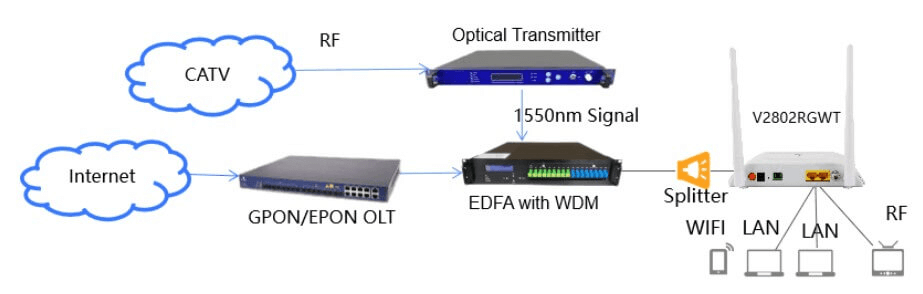
- Unterstützte Dienste: ATM, TDM, Ethernet und CATV (Kabelfernsehen über WDM)
- Dienstqualität: T-CONT und DBA (Dynamic Bandwidth Allocation) garantieren strenge QoS pro Teilnehmer
- Wellenlängen: 1490 nm Downstream, 1310 nm Upstream
Die fortschrittliche QoS von GPON — über die T-CONT (Transmission Containers) — ermöglicht es, jedem Teilnehmer die Bandbreite dynamisch entsprechend seinem Echtzeitbedarf zuzuweisen. Deshalb wird es für Triple-Play-Einsätze (Internet + Telefonie + Fernsehen) bevorzugt.
EPON — die native Ethernet-Lösung
EPON (Ethernet Passive Optical Network) ist durch die Norm IEEE 802.3ah definiert. Vom IEEE statt von der ITU entwickelt, verfolgt es einen nativen Ethernet-Ansatz, was die Integration in bestehende IP-Netzwerke vereinfacht.
- Rate: 1 Gbps symmetrisch (10G-EPON gemäß IEEE 802.3av: 10 Gbps Downstream / 1 oder 10 Gbps Upstream)
- Leitungskodierung: 8B/10B (weniger effizient als NRZ von GPON)
- Steuerprotokoll: MPCP (Multi-Point Control Protocol)
- Unterstützte Dienste: nur natives Ethernet — keine native TDM- oder ATM-Unterstützung
- Dienstqualität: DiffServ/802.1p — weniger präzise als T-CONT von GPON
- Wellenlängen: identisch mit GPON (1490/1310 nm)
- Teilungsverhältnis: bis zu 32 Teilnehmer (typischerweise)
EPON ist wirtschaftlicher einzusetzen als GPON, insbesondere dank günstigerer Chips. Es ist besonders in Asien (China, Japan, Korea) und in Unternehmensinstallationen verbreitet, wo die native Ethernet-Integration die Netzwerkverwaltung vereinfacht.
GPON vs. EPON — direkter Vergleich
| Kriterium | GPON | EPON |
|---|---|---|
| Normungsgremium | ITU-T (G.984) | IEEE (802.3ah) |
| Max. Downstream-Rate | 2,488 Gbps | 1 Gbps (10G: 10 Gbps) |
| Max. Upstream-Rate | 1,244 Gbps | 1 Gbps (10G: 1 oder 10 Gbps) |
| Protokoll | GEM | MPCP (Ethernet) |
| Leitungskodierung | NRZ | 8B/10B |
| Native Dienste | Ethernet, TDM, ATM, CATV | Nur Ethernet |
| QoS | T-CONT / DBA (streng) | DiffServ / 802.1p |
| Max. Teilungsverhältnis | 128 | 32 |
| Gerätekosten | Höher | Wirtschaftlicher |
| Dominanter Einsatz | Europa, Nordamerika | Asien, Unternehmen |
| ONU/OLT-Kompatibilität | Nur GPON | Nur EPON |
Die wichtigste Erkenntnis aus diesem Vergleich: GPON und EPON sind miteinander inkompatibel. Ein GPON-ONU kann sich nicht mit einem EPON-OLT verbinden und umgekehrt. Genau dieses Problem löst xPON.
xPON — das Beste aus beiden Welten
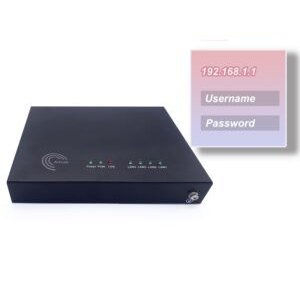
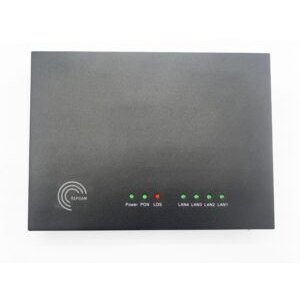
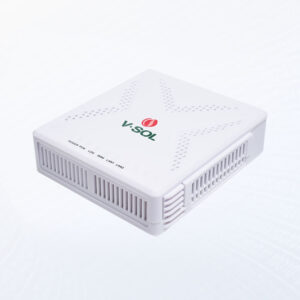
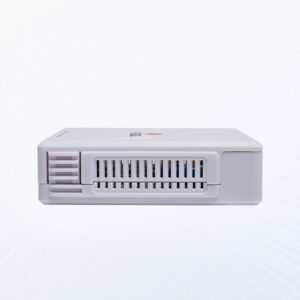
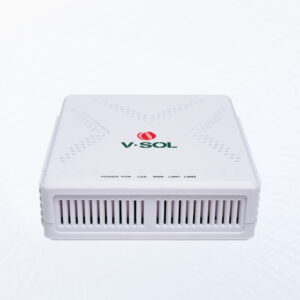
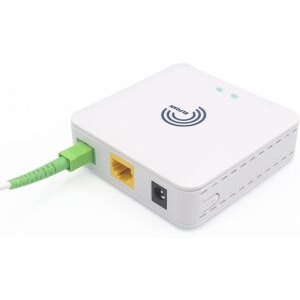
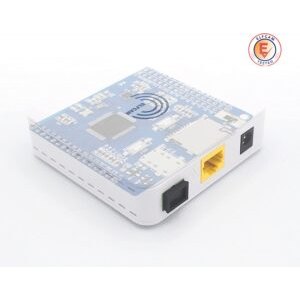
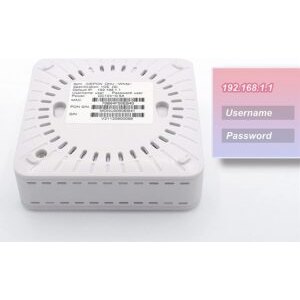
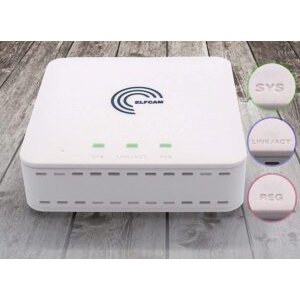
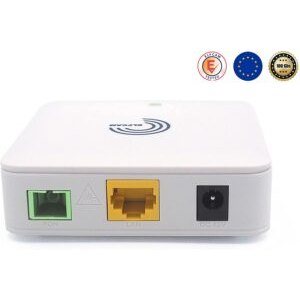
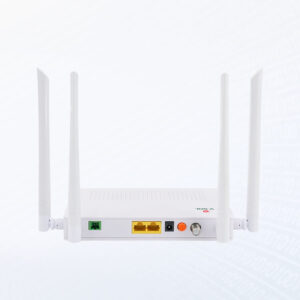
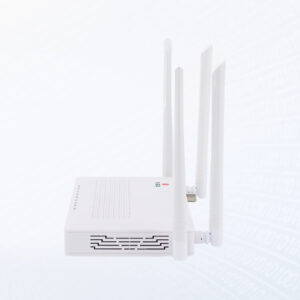
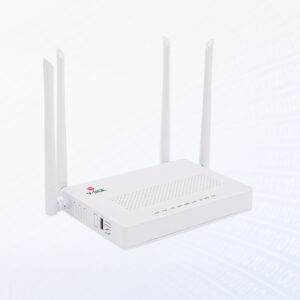
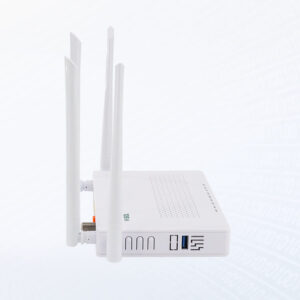
xPON (auch geschrieben als XPON oder cross-PON) ist eine Technologie, die GPON und EPON in einem einzigen ONU-Gerät integriert. Es handelt sich nicht um einen neuen Übertragungsstandard, sondern um eine Hardware- und Softwarelösung mit doppelter Kompatibilität.
Wie funktioniert die automatische Erkennung?
- Beim Start hört der xPON-ONU die vom OLT gesendeten Netzwerkpakete ab
- Wenn die Frames dem GEM-Protokoll entsprechen → der ONU wechselt in den GPON-Modus
- Wenn die Frames dem MPCP-Protokoll entsprechen → der ONU wechselt in den EPON-Modus
- Wenn keine Übereinstimmung gefunden wird, startet der ONU automatisch neu und versucht den anderen Modus
- Sobald der Modus identifiziert ist, wird die Registrierung beim OLT normal durchgeführt
Hardwareseitig basiert xPON auf den GPON-Spezifikationen (höhere Geschwindigkeiten, T-CONT-QoS, Multi-Service-Unterstützung). Die Software stellt die EPON-Kompatibilitätsschicht bereit. Ergebnis: Ein einziger ONU funktioniert mit jedem OLT auf dem Markt, sei es GPON oder EPON.
Warum xPON wählen?
xPON bietet konkrete Vorteile für drei Anwendergruppen:
Für Telekommunikationsbetreiber in der Migration:
- Migration von EPON → GPON ohne Austausch der ONUs — Teilnehmer mit xPON-ONUs müssen beim Netzwerkwechsel nichts unternehmen
- Erhebliche Einsparungen bei den Austauschkosten der Ausrüstung: Ein Einsatz mit 10.000 Teilnehmern spart Hunderttausende Euro an ONUs
- Vereinfachte Lagerverwaltung — eine einzige ONU-Referenz für den gesamten Bestand
Für Installateure und Integratoren:
- Universelle Kompatibilität — ein einziger ONU funktioniert mit OLTs von Huawei, ZTE, Nokia, Calix, Fiberhome und den meisten Marken auf dem Markt
- Keine Lagerfehler — Schluss mit Bestellfehlern zwischen GPON und EPON auf der Baustelle
- Vereinheitlichte Managementplattform — ein einziges NMS (Network Management System) zur Überwachung beider Netzwerktypen
Für Unternehmen mit mehreren Standorten:
- Ein Standort mit GPON und ein anderer mit EPON können mit dem gleichen ONU-Modell ausgestattet werden
- Erleichtert die Standardisierung der Netzwerkausrüstung über den gesamten Immobilienbestand
- Verkürzte Einsatzzeiten dank eines einheitlichen Ersatzteilbestands
Gut zu wissen
xPON unterstützt auch die Dienste ATM, Ethernet und TDM mit strenger QoS sowie die CATV-Übertragung im Downstream per WDM — geerbt von den GPON-Spezifikationen, auf denen es basiert.
Reale Anwendungen und Einsätze
xPON erweist sich in vier Hauptkontexten als relevant:
1. Übergang von EPON zu GPON (der wichtigste Anwendungsfall)
Viele in den 2000er–2010er Jahren in Asien eingesetzte Netzwerke basieren auf EPON. Beim Geschwindigkeitsanstieg (Übergang zu GPON oder XGS-PON) können Betreiber die xPON-ONUs beim Teilnehmer beibehalten und einfach die OLTs ersetzen — was die Migrationskosten um 40 bis 60 % senkt.
2. FTTH-Einsatz in gemischten Umgebungen
In großen Installationen (Gebäude, Campus, Industriegebiete), in denen mehrere OLTs verschiedener Generationen koexistieren, garantiert xPON die Kompatibilität des gesamten ONU-Bestands ohne Lagersegmentierung.
3. Residential FTTH — Kompatibilität mit Freebox, Livebox, Bbox
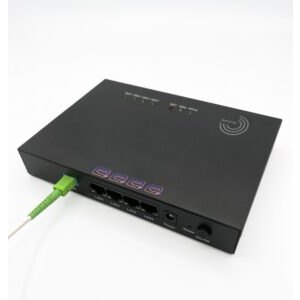
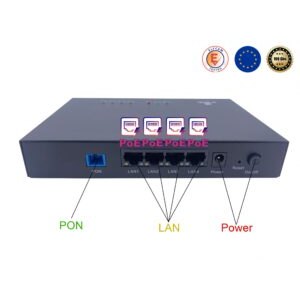
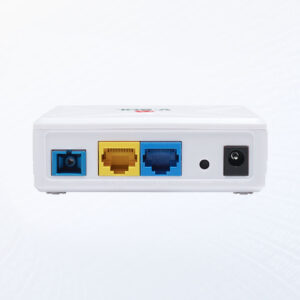
Kompatible xPON-ONUs sind darauf ausgelegt, mit den OLTs der wichtigsten französischen ISPs zu arbeiten. Ein 1GE-xPON-ONU mit SC/APC-Port kann den vom Betreiber bereitgestellten ONT ersetzen und bleibt kompatibel, wenn sich die Infrastruktur ändert.
4. Multi-Service-Unternehmensnetzwerke
Dank der ATM/TDM/Ethernet-Unterstützung und der von GPON geerbten T-CONT-QoS eignet sich xPON für Unternehmen, die garantierte dedizierte Bandbreite benötigen (Videokonferenzen, VoIP, Echtzeitströme).