PON — passives optisches Netz: Einführung, Typen und Anwendungen

Inhaltsverzeichnis
Das PON (Passive Optical Network) ist die Glasfasernetzarchitektur, auf der der gesamte weltweite FTTH-Ausbau beruht. Ihr Prinzip — das Signal von einem zentralen Punkt über vollständig passive Teiler an zahlreiche Teilnehmer zu verteilen — hat die Wirtschaftlichkeit von Zugangsnetzen revolutioniert. Dieser einführende Leitfaden stellt die Funktionsweise des PON vor, seine Entwicklung vom APON bis zum 10G-XGS-PON sowie die Kriterien für die Wahl der richtigen Norm je nach Projekt.
Was ist PON?
Ein passives optisches Netz ist ein Glasfaser-Telekommunikationsnetz, das ein zentrales Gerät (das OLT) mit mehreren Teilnehmergeräten (den ONU) verbindet, ohne dass im Übertragungsweg eine elektrisch versorgte Komponente vorhanden ist. Die Signalverteilung erfolgt über passive optische Splitter — rein mechanische Komponenten, die den Lichtstrahl physisch teilen.
Das Adjektiv „passiv" ist die Schlüsseleigenschaft des PON: Zwischen der Vermittlungsstelle des Betreibers und der Wohnung des Teilnehmers gibt es weder Switch noch Verstärker noch ein Gerät, das eine Stromversorgung oder aktive Wartung benötigt. Nur Glasfasern und optische Teiler belegen diesen Abschnitt — mit einer typischen Lebensdauer von 25 bis 30 Jahren ohne Eingriff.
Die PON-Topologie wird als Punkt-zu-Mehrpunkt (P2MP) bezeichnet: Eine einzige Faser vom OLT wird über kaskadierte Splitter schrittweise aufgeteilt, um jeden Teilnehmer einzeln zu erreichen. Das ist das Gegenteil eines Punkt-zu-Punkt-Netzes (P2P), bei dem jeder Teilnehmer seine eigene dedizierte Faser bis zur Vermittlungsstelle benötigen würde.
Ein PON-Ausbau ermöglicht es, 64 Teilnehmer mit einer einzigen Transportfaser statt 64 zu versorgen — also eine Reduzierung der erforderlichen Faser zwischen Vermittlungsstelle und erstem Verteilknoten um 98 %.
PON vs AON: passives Netz gegen aktives Netz
Die Alternative zum PON ist das AON (Active Optical Network) — ein Punkt-zu-Punkt-Netz, bei dem jeder Teilnehmer über eine dedizierte Faser und einen versorgten aktiven Switch an jedem Verteilknoten verfügt. Hier die grundlegenden Unterschiede:
| Kriterium | PON (passiv) | AON (aktiv) |
|---|---|---|
| Infrastruktur | Fasern + passive Splitter | Fasern + aktive Switches |
| Netzgeräte | Keine (passiv) | Versorgte Switches / Repeater |
| Bereitstellungskosten | Niedrig (gemeinsam genutzte Faser) | Hoch (dedizierte Faser × Teilnehmer) |
| Wartungskosten | Sehr niedrig (keine aktiven Geräte im Feld) | Hoch (zu wartende Geräte) |
| Bandbreite pro Teilnehmer | Geteilt (TDMA) | Dediziert (P2P) |
| Max. Distanz | 20–80 km je nach Norm | Unbegrenzt (mit Verstärkern) |
| Sicherheit | AES-Verschlüsselung erforderlich | Natürliche physische Isolierung |
| Typische Nutzung | Residenzielles FTTH, Campus | Datacenter, kritische Verbindungen |
In der Praxis dominiert das PON die residenziellen FTTH-Ausbauten und die Campus-Netze aufgrund seiner wirtschaftlichen Vorteile. Das AON ist kritischen Verbindungen vorbehalten, die eine garantierte dedizierte Bandbreite erfordern — Datacenter-zu-Datacenter-Verbindungen, industrielle oder militärische Infrastrukturen.
Die Komponenten eines PON-Netzes
Ein standardmäßiges PON-Netz umfasst drei Gerätekategorien:
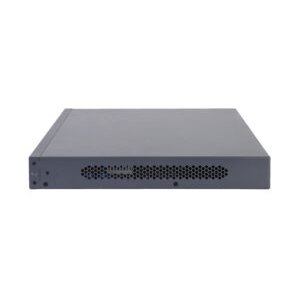
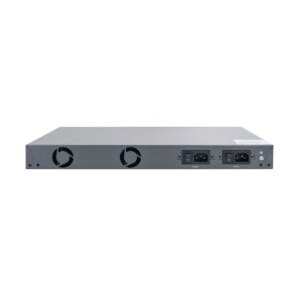
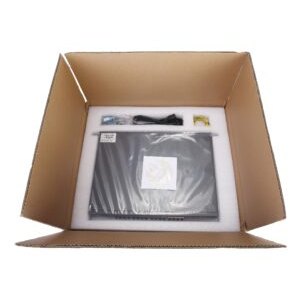
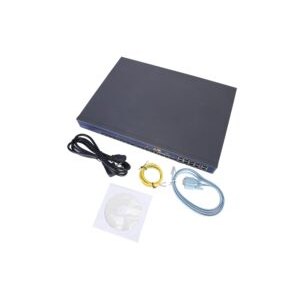
Das OLT (Optical Line Terminal) — das einzige aktive Gerät auf der Betreiberseite. Es befindet sich in der Vermittlungsstelle oder im Serverraum und verwaltet sämtliche Übertragungen: TDMA-Synchronisierung, Bandbreitenzuweisung (DBA), ONU-Authentifizierung und Dienst-Routing (Internet, VoIP, IPTV). Ein OLT mit 16 PON-Ports kann bis zu 1.024 Teilnehmer gleichzeitig versorgen.
Die passiven optischen Splitter (PLC) — Herzstück der PON-Architektur. Diese Teiler auf Basis der planaren Technologie (Planar Lightwave Circuit) teilen das optische Signal ohne elektrische Wandlung in N identische Ströme. Die gängigsten Konfigurationen: 1×4, 1×8, 1×16, 1×32, 1×64. Zwei kaskadierte Splitter-Ebenen ermöglichen Verhältnisse von 1:128 (z. B. 1×8 + 1×16). Ihre Lebensdauer ist unbegrenzt — keine Stromversorgung, kein Verschleiß.
Das ONU / ONT (Optical Network Unit / Terminal) — aktives Gerät auf der Teilnehmerseite. Es empfängt das optische Signal der Faser über seinen SC/APC-Port, dekodiert es und verteilt es je nach Konfiguration als Ethernet, WiFi, Telefonie oder CATV-Signal. Es ist das einzige aktive Gerät, das der Teilnehmer (oder Installateur) im Feld verwalten muss.
-
Promo !
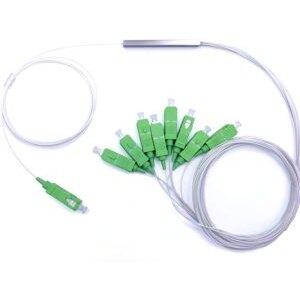
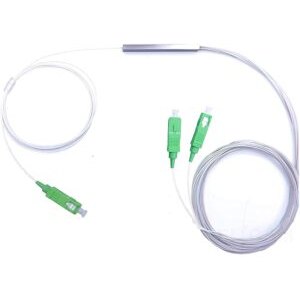
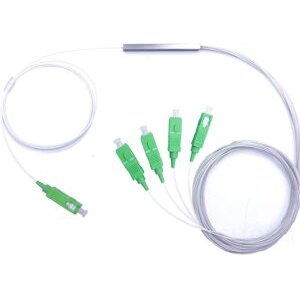
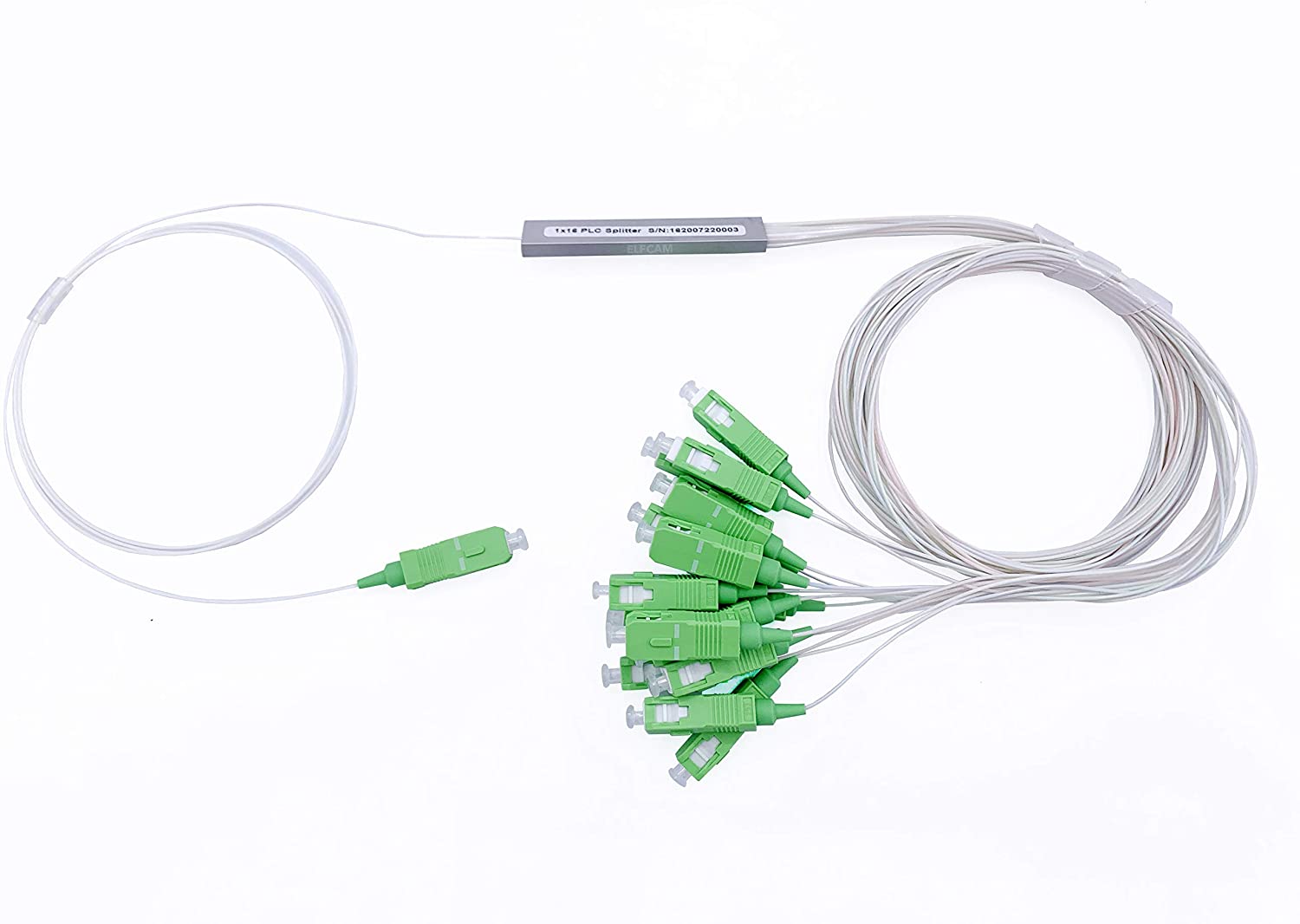
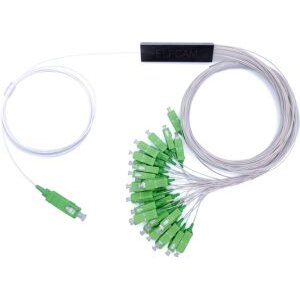
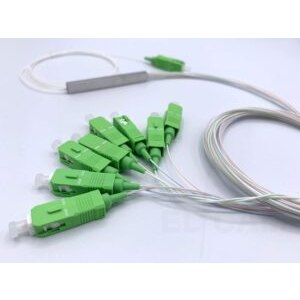
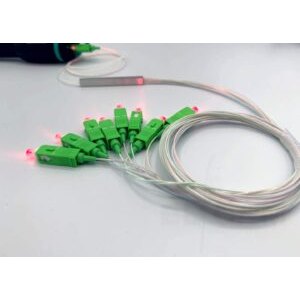
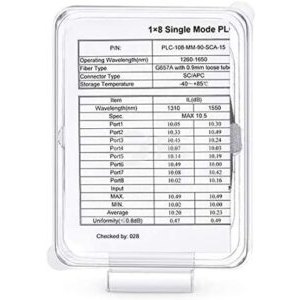
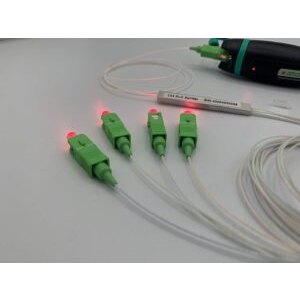
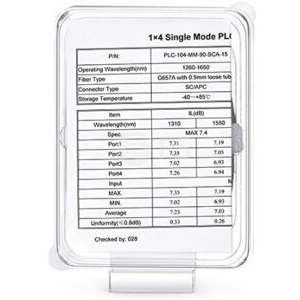
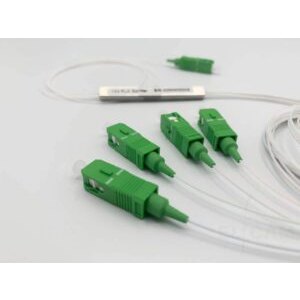
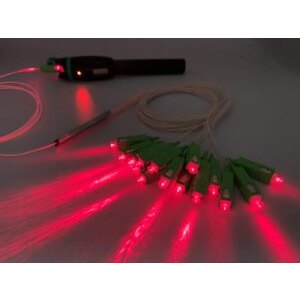
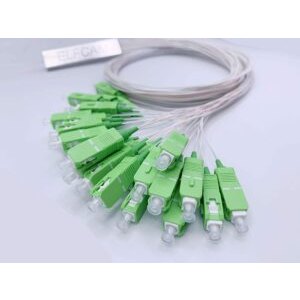
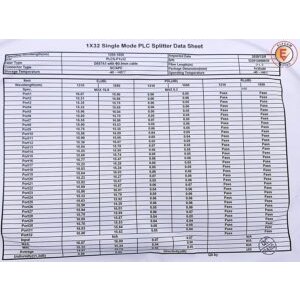
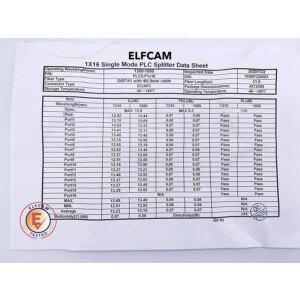

SC/APC PLC Singlemode-Glasfaser-Splitter (2-4-8-16-32 Anschlüsse) (Ref:2664)
16 comments 1×2 – 1×32 Le prix initial était : CHF 11.99.CHF 10.99Le prix actuel est : CHF 10.99. + Ce produit a plusieurs variations. Les options peuvent être choisies sur la page du produit -
Promo !
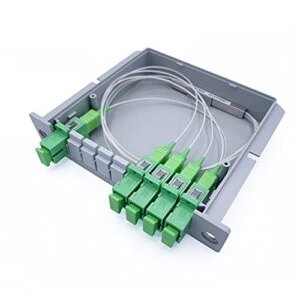
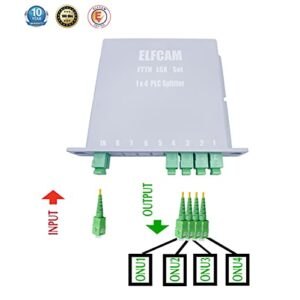
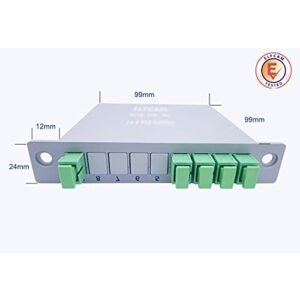
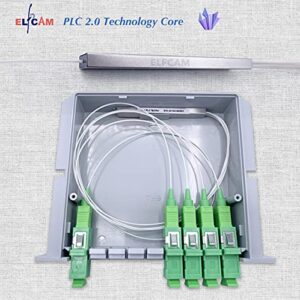
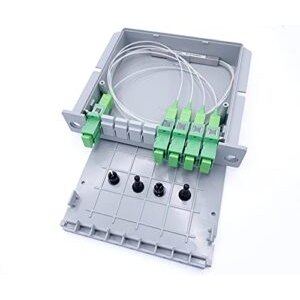
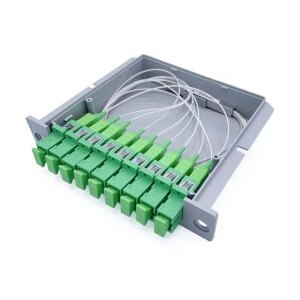
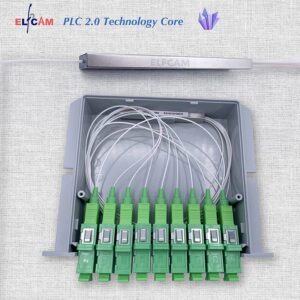
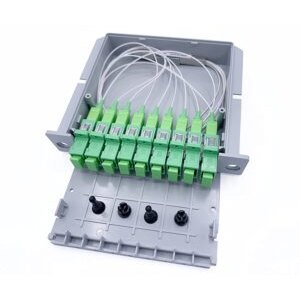
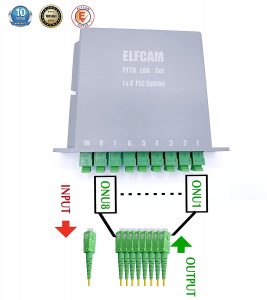
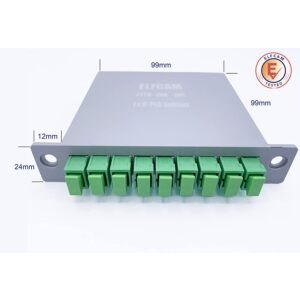
Glasfaserverteiler (PLC-Verteiler) Typ LGX 1*4,1*8 (Ref:3333)
11 comments 1×4 – 1×8 Le prix initial était : CHF 27.99.CHF 22.99Le prix actuel est : CHF 22.99. + Ce produit a plusieurs variations. Les options peuvent être choisies sur la page du produit -
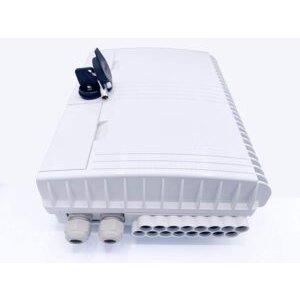
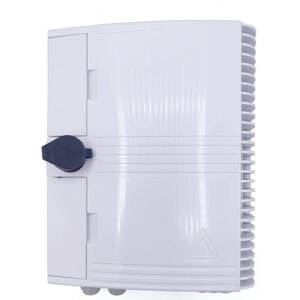
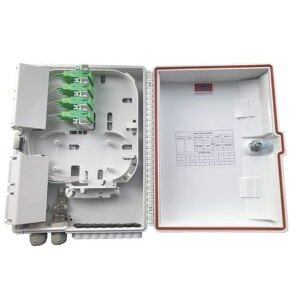
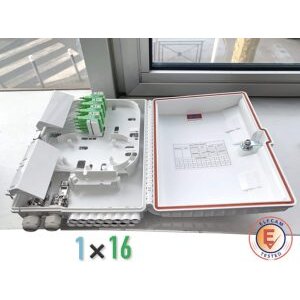
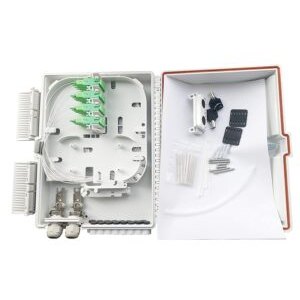
FTTH-Verteilerkasten mit Mini-SPS (ohne Block) 1*8, 1*16 (Ref:3340)
5 comments 1×8 – 1×16 CHF 37.99 + Ce produit a plusieurs variations. Les options peuvent être choisies sur la page du produit
Entwicklung der Normen: APON, BPON, EPON, GPON, XGS-PON
Die PON-Technologie hat sich seit den 1990er Jahren über mehrere Generationen entwickelt, wobei jede neue Norm die verfügbaren Datenraten vervielfacht:
APON — ATM PON (Ende der 1990er Jahre)
Erste PON-Normung, definiert durch ITU-T G.983. Basierend auf dem ATM-Protokoll (Asynchronous Transfer Mode) bot es Datenraten von 155 Mbps oder 622 Mbps. Inzwischen veraltete Technologie, in allen aktiven Ausbauten ersetzt.
BPON — Broadband PON (Anfang der 2000er Jahre)
Eine Weiterentwicklung des APON, weiterhin auf ATM-Basis, jedoch mit Datenraten bis zu 622 Mbps und der Unterstützung zusätzlicher Dienste (CATV, Ethernet-Zugang, Mietleitungen). Ebenfalls veraltet, aber noch in einigen Bestandsinfrastrukturen vorhanden.
EPON — Ethernet PON (2004, IEEE 802.3ah)
Ein technologischer Bruch: Aufgabe des ATM zugunsten des nativen Ethernet. Symmetrische Datenraten von 1,25 Gbps, Split-Verhältnis bis zu 1:64. Dominant in Asien (Japan, Korea, China), in Europa noch in einigen Unternehmensnetzen eingesetzt. Lesen Sie unseren Leitfaden: ONU EPON GEPON — Funktionen und Typen.
GPON — Gigabit PON (2004, ITU-T G.984)
Die Referenznorm in Europa. Datenraten von 2,5 Gbps Downstream / 1,25 Gbps Upstream, Verhältnis bis zu 1:128, proprietäres GEM-Protokoll. Von Orange, SFR und Bouygues für alle FTTH-Ausbauten in Frankreich vorgeschriebene Norm. Lesen Sie unseren Leitfaden: GPON-Netze — Architektur und Ausbau.
XG-PON / XGS-PON (2010–2016, ITU-T G.987 / G.9807)
Die 10G-Generation des PON. XG-PON: 10G Downstream / 2,5G Upstream (asymmetrisch). XGS-PON: symmetrisches 10G — die Version, die sich in neuen Ausbauten durchsetzt. Sie koexistiert dank unterschiedlicher Wellenlängen mit dem GPON auf derselben Infrastruktur. Freebox Ultra nutzt XGS-PON seit 2024.
NG-PON2 (2015, ITU-T G.989)
Next Generation PON 2: kombiniert 4 XGS-PON-Wellenlängen, um 40 Gbps pro Faser zu erreichen. Ausbauten laufen in Datacentern und 5G-Mobilfunknetzen (Fronthaul). In residenziellen Zugangsnetzen noch marginal.

Vergleichstabelle der PON-Normen
| Norm | Gremium | Jahr | Downstream-Rate | Upstream-Rate | Max. Split | Status |
|---|---|---|---|---|---|---|
| APON | ITU-T G.983 | 1998 | 622 Mbps | 155 Mbps | 1:32 | Veraltet |
| BPON | ITU-T G.983.x | 2001 | 622 Mbps | 622 Mbps | 1:32 | Veraltet |
| EPON | IEEE 802.3ah | 2004 | 1,25 Gbps | 1,25 Gbps | 1:64 | Aktiv (Asien) |
| GPON | ITU-T G.984 | 2004 | 2,5 Gbps | 1,25 Gbps | 1:128 | Dominant (Europa) |
| XG-PON | ITU-T G.987 | 2010 | 10 Gbps | 2,5 Gbps | 1:64 | Teilweiser Ausbau |
| XGS-PON | ITU-T G.9807 | 2016 | 10 Gbps | 10 Gbps | 1:64 | Zunehmende Verbreitung |
| NG-PON2 | ITU-T G.989 | 2015 | 40 Gbps | 10 Gbps | 1:256 | Datacenter/5G |
PON-Anwendungen: FTTH, Unternehmen und Campus
Das PON wurde für residenzielles FTTH konzipiert, doch seine Eigenschaften — niedrige Kosten, passive Infrastruktur, große Reichweite — haben es auf zahlreiche andere Kontexte ausgedehnt:
Residenzielles FTTH / FTTB — historische und dominierende Anwendung. Die Betreiber setzen OLTs in Vermittlungsstellen ein und versorgen ganze Stadtviertel über passive GPON-Netze. Jede Wohnung verfügt über ein ONT oder eine Box, die die GPON-Schnittstelle integriert. In Frankreich: Orange, SFR, Bouygues und Free sind alle zu GPON/XGS-PON migriert.
Unternehmens- und Campus-Netze — das PON ersetzt vorteilhaft die Etagen-Switches in großen Gebäuden. Ein OLT im zentralen Rack versorgt jedes Büro, jeden Besprechungsraum und jeden Gemeinschaftsbereich über kompakte ONU. Das Ergebnis: null aktive Geräte, die in zwischengeschalteten Technikräumen zu warten sind.
Hotellerie und Service-Residenzen — jedes Zimmer verfügt über sein eigenes ONU (Breitband-Internet, Telefonie, IPTV), mit zentraler Verwaltung über die EMS-Software des OLT. Die passive Faser im Steigschacht ersetzt Dutzende von Etagen-Switches.
Ländliche Netze und öffentliche Initiativnetze (RIP) — die Reichweite von 20 km des GPON ermöglicht es, abgelegene Dörfer und Weiler von einer einzigen Vermittlungsstelle aus ohne versorgte Zwischengeräte zu versorgen.
5G-Fronthaul — die 5G-Mobilfunknetze nutzen PON-Verbindungen (XGS-PON, NG-PON2), um die Antennen des Radio Access Network (RAN) mit der Basisstation zu verbinden. Die Bandbreite und die geringe Latenz des PON machen es zu einem geeigneten Medium für diesen kritischen Anwendungsfall.
-
Promo !
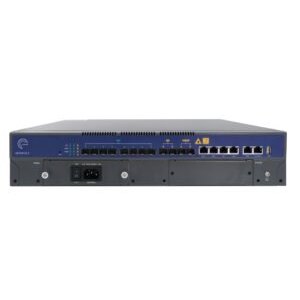
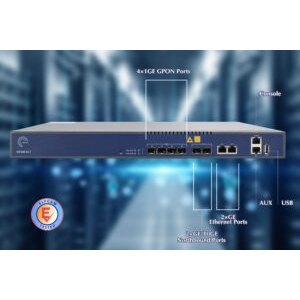
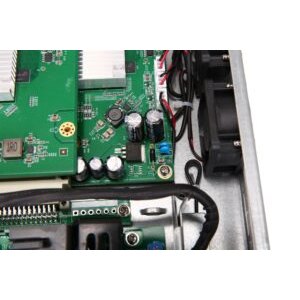
GPON OLT mit 4/8/16 PON-Ports, automatische Aktualisierung, EMS-Webmanagement (8 PON-Ports) (Ref:6686)
2 comments Le prix initial était : CHF 759.99.CHF 664.99Le prix actuel est : CHF 664.99. + -
Promo !
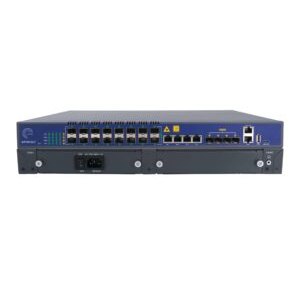
GPON OLT mit 4/8/16 PON-Ports, automatische Aktualisierung, EMS-Webmanagement (16 PON-Ports) (Ref:6692)
3 comments Le prix initial était : CHF 1'709.99.CHF 1'614.99Le prix actuel est : CHF 1'614.99. + -
Promo !
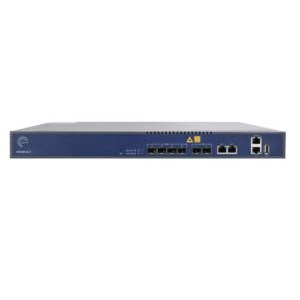
GPON OLT mit 4/8/16 PON-Ports, automatische Aktualisierung, EMS-Webmanagement (4 PON-Ports) (Ref:6652)
2 comments Le prix initial était : CHF 1'424.99.CHF 1'234.99Le prix actuel est : CHF 1'234.99. +
Wie wählt man seine PON-Norm?
Die Wahl einer PON-Norm hängt von drei Hauptfaktoren ab:
1. Der geografische und Betreiber-Kontext
In Frankreich und Europa ist die Norm vorgegeben, wenn Sie sich an das Netz eines öffentlichen Betreibers (Orange, SFR, Bouygues, Free) anschließen: GPON oder XGS-PON. Sie haben keine Wahl — Ihre ONU-Geräte müssen mit dem OLT des Betreibers kompatibel sein. In Asien bleibt das EPON verbreitet.
2. Die jetzt und in 5 Jahren erforderlichen Datenraten
Für standardmäßige residenzielle Nutzungen (Streaming, Gaming, Homeoffice): Das GPON reicht kurzfristig völlig aus. Für berufliche Anwendungen (intensive Cloud-Nutzung, Remote-Backup, Mehrstandort-Videokonferenzen) oder zur Zukunftssicherung der Infrastruktur: Wählen Sie direkt XGS-PON, das mit dem GPON auf derselben Faser koexistiert.
3. Die Anzahl der Teilnehmer und das Budget
Ein privates Netz (Gebäude, Campus, Hotel) mit weniger als 64 Teilnehmern wird von einem GPON-OLT mit 4 Ports gut bedient. Darüber hinaus ein OLT mit 8 oder 16 Ports. Die Kosten für GPON-OLT-Geräte sind heute sehr erschwinglich — ab 1.700 € für ein 4-Port-OLT, das 256 Teilnehmer versorgen kann.
Mit GPON starten und zu XGS-PON migrieren, ohne alles zu ändern
Wenn Ihr Anfangsbudget begrenzt ist, bauen Sie heute mit OS2-Kabeln und Standard-PLC-Splittern in GPON aus. Wenn Ihre Teilnehmer 10G benötigen, ersetzen Sie einfach das OLT durch ein COMBO-Modell GPON+XGS-PON und tauschen die ONU im Zuge der Feldeinsätze aus — die passive Verkabelung bleibt intakt. Genau dies ist die Migrationsstrategie der nationalen Betreiber.
-
Promo !
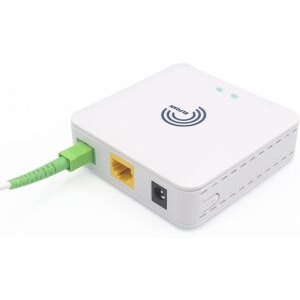
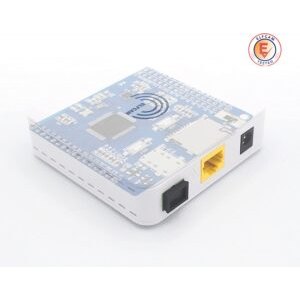
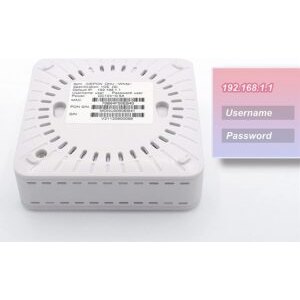
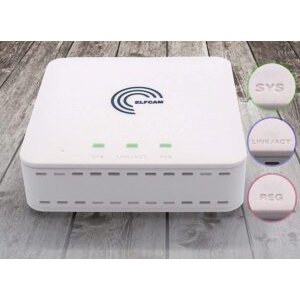
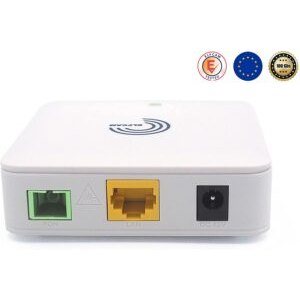
Elfcam – 1GE ONU für GPON/EPON OLT, mit SC/APC Singlemode-Glasfaseranschluss (Ref:6404)
4 comments Le prix initial était : CHF 56.99.CHF 46.99Le prix actuel est : CHF 46.99. + -
Promo !
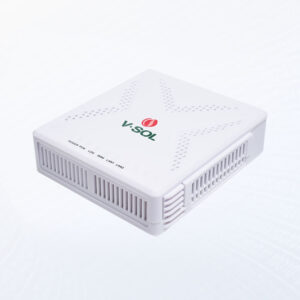
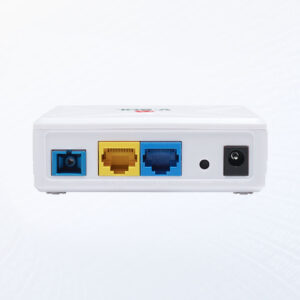
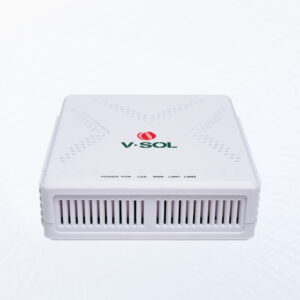
V.SOL – ONU für GPON/EPON OLT, mit SC/UPC Singlemode-Glasfaser-Port (1GE + 2,5 GbE) (Ref: 6965)
2 comments Le prix initial était : CHF 65.99.CHF 58.99Le prix actuel est : CHF 58.99. + -
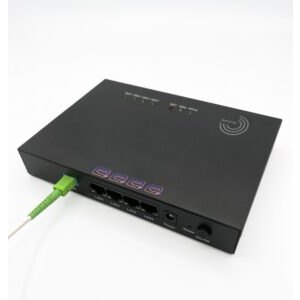
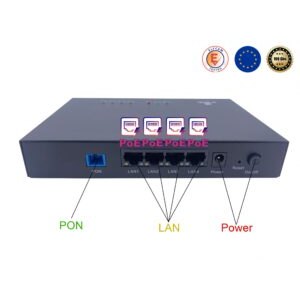
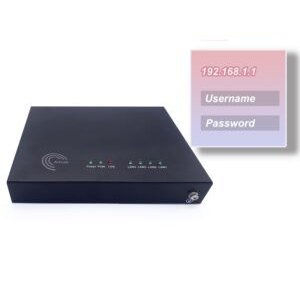
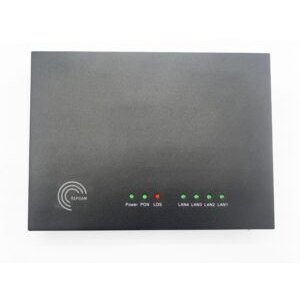
V-SOL 1GE+3FE POE XPON ONU (Ref:7025)
3 comments CHF 94.99 +