Glasfaser FTTH, FTTB, FTTC: den Breitbandzugang verstehen

Inhaltsverzeichnis
- Der Übergang Kupfer → Glasfaser in Frankreich
- FTTH, FTTB, FTTC, FTTX: die Abkürzungen entschlüsseln
- Aktiver Zugang (AON) vs. passiver Zugang (PON)
- Vom NRO bis zur Dose: der Weg der FTTH-Glasfaser
- Die Ausrüstung einer FTTH-Wohninstallation
- Das Innen-Patchkabel verlegen: Kabel und PTO
- Unverzichtbare Werkzeuge zum Installieren und Testen der Glasfaser
- FAQ
Im Jahr 2026 können in Frankreich mehr als 22 Millionen Standorte an die FTTH-Glasfaser angeschlossen werden. Das ADSL-Kupfernetz wird schrittweise abgeschaltet — Orange hat die vollständige Abschaltung bis 2030 angekündigt. Für Glasfasertechniker, Netzwerkinstallateure und Gebäudeverwalter ist das Verständnis der verschiedenen Glasfaserzugangsarchitekturen zu einer Grundkompetenz geworden. Dieser Leitfaden entmystifiziert die Abkürzungen FTTH, FTTB, FTTC und FTTX, erklärt, wie die Glasfaser zu Ihnen nach Hause gelangt, und beschreibt detailliert die für eine erfolgreiche Installation erforderliche Ausrüstung und Werkzeuge.
Der Übergang Kupfer → Glasfaser in Frankreich
Das öffentliche Telefonnetz (PSTN) und ADSL stützten sich 40 Jahre lang auf dieselbe Infrastruktur: das Kupferadernpaar, das jeden Haushalt mit der Vermittlungsstelle verbindet. Diese Technologie stößt an ihre physikalischen Grenzen — die ADSL-Geschwindigkeiten hängen direkt von der Entfernung zur Vermittlungsstelle ab, mit einem Geschwindigkeitsverlust von 50 % pro zusätzlichem Kilometer.
Die Glasfaser löst dieses strukturelle Problem. Das Lichtsignal in einer OS2-Singlemode-Faser verschlechtert sich auf 20 km nicht — ein Teilnehmer 15 km von der Vermittlungsstelle entfernt genießt dieselbe Geschwindigkeit wie ein Teilnehmer in 500 m Entfernung. Diese grundlegende Eigenschaft erklärt, warum die Glasfaser das einzige Medium ist, das für die heutigen Breitbandanwendungen geeignet ist (4K-Streaming, Cloud-Gaming, Telearbeit mit mehreren Arbeitsplätzen).
Ein OS2-Singlemode-Glasfaserkabel überträgt ein Signal über 20 km mit einer typischen Dämpfung von 0,35 dB/km — also 7 dB insgesamt. Ein Cat-5e-Kupferkabel über dieselbe Distanz: unbrauchbares Signal.
FTTH, FTTB, FTTC, FTTX: die Abkürzungen entschlüsseln
Alle diese Abkürzungen folgen derselben Logik: FTT = Fiber To The, gefolgt vom endgültigen Ziel der Glasfaser. Je weiter die Glasfaser in das Zugangsnetz reicht, desto höher die Geschwindigkeit und desto höher die Ausbaukosten.
| Abkürzung | Bedeutung | Glasfaser bis wohin? | Letztes Segment | Typische Geschwindigkeit |
|---|---|---|---|---|
| FTTH | Fiber to the Home | Bis in die Wohnung | Optisches Patchkabel | 1 Gbps symmetrisch |
| FTTB | Fiber to the Building | Bis zum Gebäudefuß | Interne Kupfer- oder Glasfaserverkabelung | 100 Mbps – 1 Gbps |
| FTTC | Fiber to the Cabinet | Bis zum Unterverteiler | Kupferadernpaar (VDSL2) | 30–100 Mbps |
| FTTLA | Fiber to the Last Amplifier | Bis zum Koaxialverstärker | Koaxialkabel (DOCSIS) | 50–300 Mbps |
| FTTN | Fiber to the Node | Bis zum Quartiersknoten | Kupferadernpaar (ADSL2+) | 15–50 Mbps |
| FTTX | Fiber to the X | Sammelbegriff | Variabel | Variabel |
In Frankreich zielt der nationale Plan THD (Très Haut Débit, Höchstgeschwindigkeit) auf den ausschließlichen Ausbau von FTTH in noch nicht erschlossenen Gebieten ab. FTTC (Numericable/SFR-Technologie über Koaxialkabel) und VDSL2 sind Übergangslösungen, die auf den Hochlauf von FTTH warten.
Woran erkennt man, ob man FTTH oder FTTB hat?
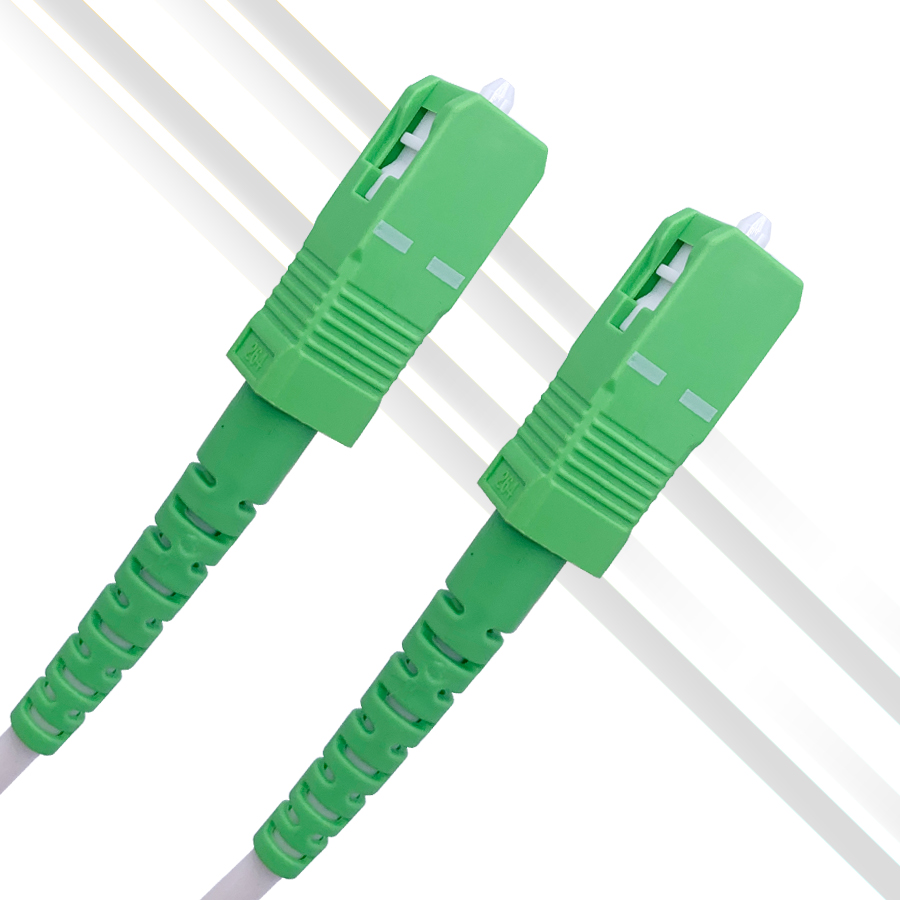
Bei reinem FTTH verbindet ein optisches Patchkabel (dünnes gelbes oder weißes Kabel mit grünen SC/APC-Steckern) Ihre wandmontierte PTO direkt mit Ihrer Box. Bei FTTB verfügt das Gebäude über aktive Ausrüstung am Steigleitungsfuß, die das Glasfasersignal für jede Wohnung in ein Ethernet- oder VDSL-Signal umwandelt — Sie sehen bei sich zu Hause kein optisches Patchkabel.
Aktiver Zugang (AON) vs. passiver Zugang (PON)
Über das endgültige Ziel der Glasfaser hinaus unterscheiden sich FTTH-Netze durch ihre Transportarchitektur: aktiv oder passiv.
Ein AON (Active Optical Network) verwendet an jedem Verteilungsknoten aktive, mit Strom versorgte Ausrüstung (Switches, Router). Jeder Teilnehmer verfügt über eine dedizierte Punkt-zu-Punkt-Faser bis zur Vermittlungsstelle. Es ist die technisch einfachste, aber infrastrukturell teuerste Lösung — sie wird vor allem für Unternehmens- oder Rechenzentrumsverbindungen genutzt.
Ein PON (Passive Optical Network) verwendet nur passive optische Splitter zwischen dem OLT (Vermittlungsstelle) und den ONUs (Teilnehmern). Eine einzige Faser kann über Signalteiler bis zu 64 oder 128 Teilnehmer versorgen. Es ist die dominierende Architektur bei Wohn-FTTH-Ausbauten in Frankreich — GPON für aktuelle Ausbauten, XGS-PON für den Übergang zu 10G.
Mehr erfahren über GPON ONU und OLT
Um die Funktionsweise der aktiven Ausrüstung eines PON-Netzes zu verstehen (OLT auf der Betreiberseite, ONU/ONT auf der Teilnehmerseite), lesen Sie unseren ausführlichen Leitfaden: GPON ONU, ONT und OLT — alles über die PON-Architektur.
Vom NRO bis zur Dose: der Weg der FTTH-Glasfaser
Eine typische Wohn-FTTH-Installation in Frankreich umfasst mehrere aufeinanderfolgende Segmente, jedes mit eigener Ausrüstung und eigenen Zuständigkeiten:
- NRO (Optischer Anschlussknoten) — Technikraum des Betreibers, der den OLT beherbergt. Versorgt mehrere Tausend Teilnehmer in einem Umkreis von 5 bis 20 km.
- Transport — hochdichtes Glasfaserkabel (24 bis 288 Fasern), erdverlegt oder oberirdisch, zwischen dem NRO und den Quartiersunterverteilern.
- SRO (Optischer Unterverteiler) — Gehäuse auf der Straße oder im Gebäude, das die Splitter 1:4 oder 1:8 der ersten Ebene enthält. Markiert die Grenze zwischen der Betreiberzone und dem Verteilnetz.
- PBO (Optischer Anschlusspunkt) — Gehäuse am Gebäudefuß oder an der Fassade, das die Splitter 1:8 oder 1:16 der zweiten Ebene enthält. Letzter gemeinsam genutzter Punkt vor der Wohnung.
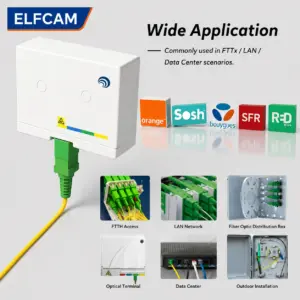
- DTIo (Optische Innenraum-Abschlusseinrichtung) — auch PTO (Optische Endgerätedose) genannt. Es ist die Wanddose in der Wohnung, mit einem SC/APC-Port. Abgrenzungspunkt zwischen dem Betreibernetz und der privaten Installation.
- Optisches Patchkabel — dünnes SC/APC → SC/APC-Kabel (oder SC/APC → SC/UPC für Freebox), das die PTO mit dem ONT/der Box des Teilnehmers verbindet.
- ONT / Box — Teilnehmerausrüstung, die das optische Signal in ein lokales Ethernet-Netzwerk umwandelt.
Die Ausrüstung einer FTTH-Wohninstallation
In einer FTTH-Wohnung sind drei Ausrüstungsteile wesentlich:
1. Die PTO (Optische Endgerätedose) — vom Techniker des Betreibers beim Erstanschluss installiert. Sie weist auf der Benutzerseite einen SC/APC-Port (grüner Stecker, 8°-Winkel) auf. Einige Installationen verfügen über eine PTO mit 2 oder 4 Ports, um mehrere Räume zu versorgen.
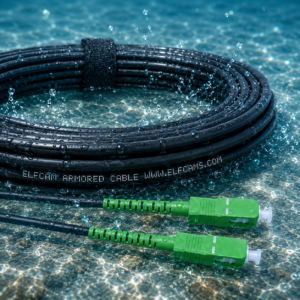
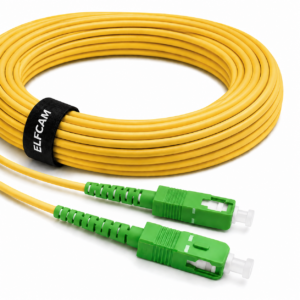
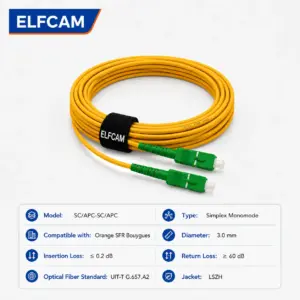
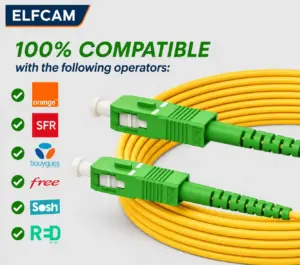
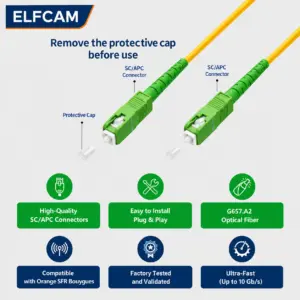
2. Das optische Patchkabel — flexibles Kabel von 1 bis 15 m, das die PTO mit der Box verbindet. Die große Mehrheit der französischen Installationen verwendet ein SC/APC → SC/APC-Patchkabel (Orange, SFR, Bouygues). Die Freebox Ultra benötigt ein SC/APC → SC/UPC-Patchkabel (blauer Stecker auf der Box-Seite). Zum Durchführen durch Leisten ermöglichen transparente 0,9-mm-G.657B3-Patchkabel eine unsichtbare Verlegung entlang der Fußleisten.
3. Der ONT oder die Box — vom Betreiber bereitgestellt oder vom Teilnehmer ausgewählt (Drittanbieter-ONT). Er empfängt das optische Signal der Glasfaser und verteilt das lokale Netzwerk über Ethernet und WiFi. Moderne Boxen integrieren den ONT direkt.
-
Promo !
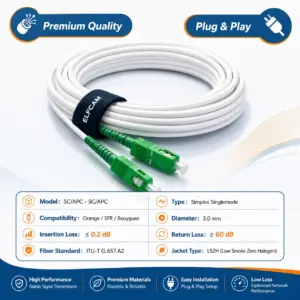
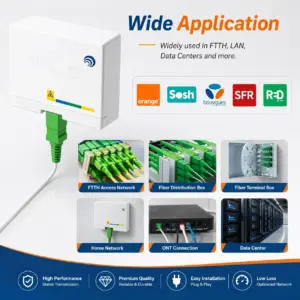
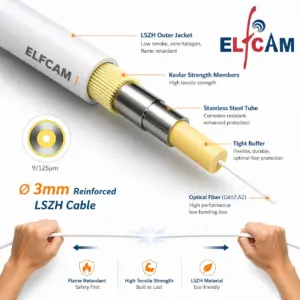
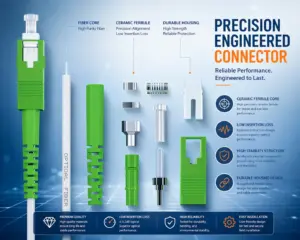
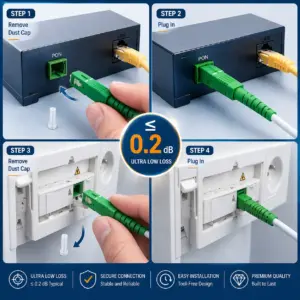
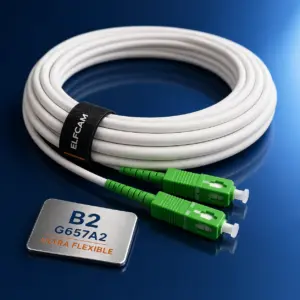

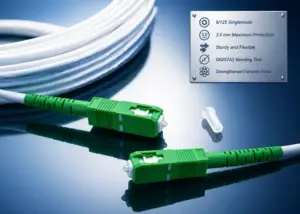
Glasvezelkabel/verlenging {Oranje SFR Bouygues} – Simplex Single-Mode SC/APC naar SC/APC OS2 patchkabel – Versterkte afscherming en connector – Zeer betrouwbaar verlies – Wit (Ref: 319)
152 comments 0.5M – 300M Le prix initial était : 7,49 €.1,99 €Le prix actuel est : 1,99 €. + Ce produit a plusieurs variations. Les options peuvent être choisies sur la page du produit -
Promo !
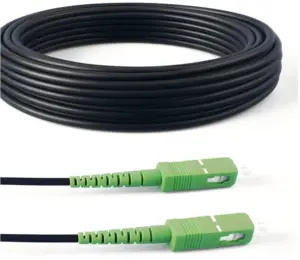
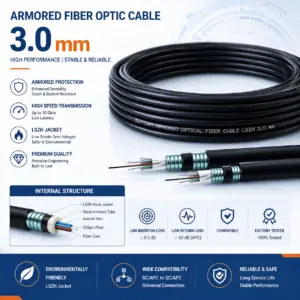
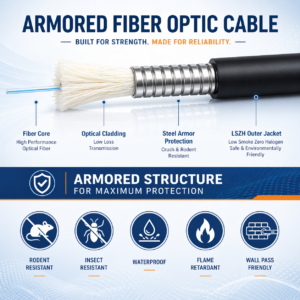
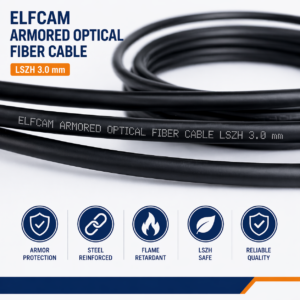
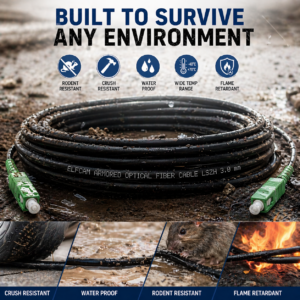
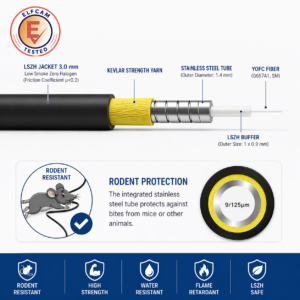
Stalen gepantserde glasvezelkabel SC/APC–SC/APC OS2 single mode simplex LSZH (Ref:1366)
74 comments 5M – 300M Le prix initial était : 9,90 €.7,48 €Le prix actuel est : 7,48 €. + Ce produit a plusieurs variations. Les options peuvent être choisies sur la page du produit -
Promo !
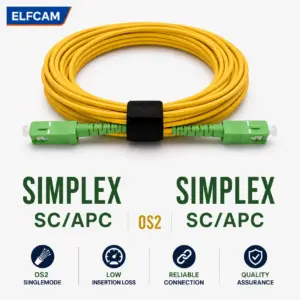
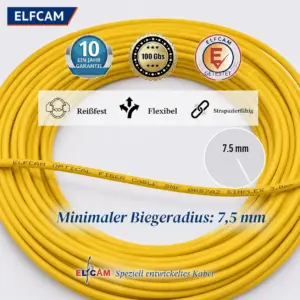
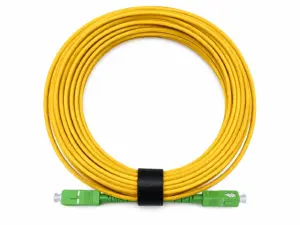
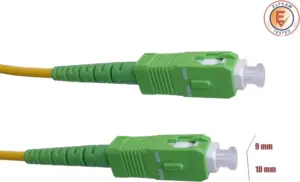
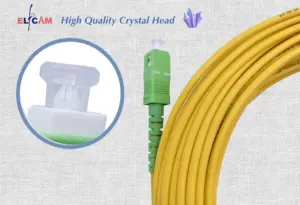
Glasvezelkabel SC/APC naar SC/APC OS2 Simplex Geel (Ref:11)
135 comments 5M – 300M Le prix initial était : 6,80 €.4,99 €Le prix actuel est : 4,99 €. + Ce produit a plusieurs variations. Les options peuvent être choisies sur la page du produit -
Promo !

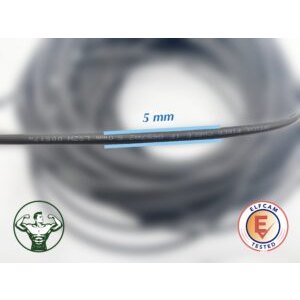
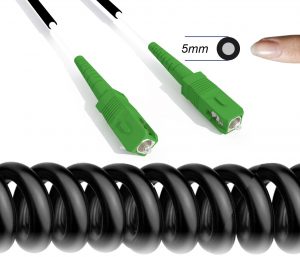
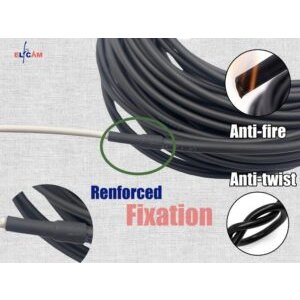
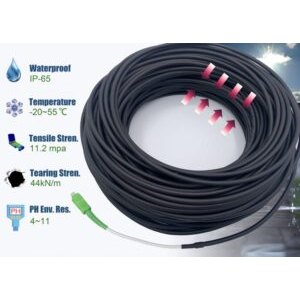
SC/APC naar SC/APC Single Mode glasvezelkabel versterkt voor gebruik binnen en buiten(Ref:442)
31 comments 10M – 1000M Le prix initial était : 19,99 €.17,99 €Le prix actuel est : 17,99 €. + Ce produit a plusieurs variations. Les options peuvent être choisies sur la page du produit
In bestimmten Konfigurationen (Wohnung ohne zugängliche PTO, Anschluss von Gewerberäumen) kann ein Glasfaser-/Ethernet-Konverter den dedizierten ONT ersetzen. Diese Ausrüstung wird zwischen das Glasfaser-Patchkabel und das bestehende RJ45-Lokalnetzwerk eingefügt.
-
Promo !
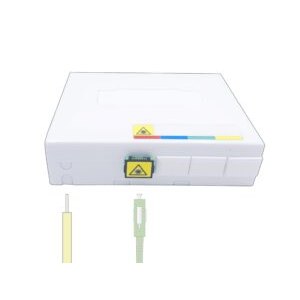
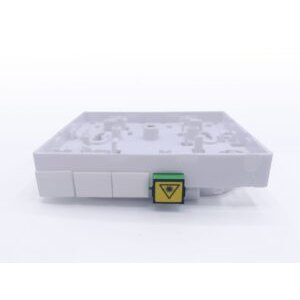
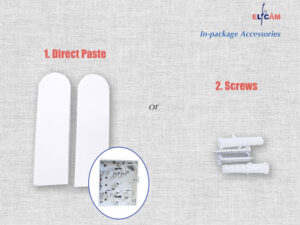
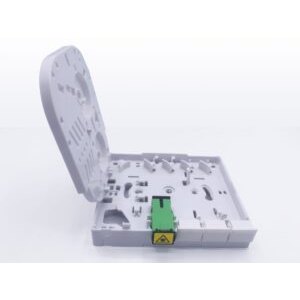
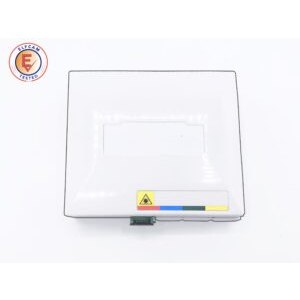
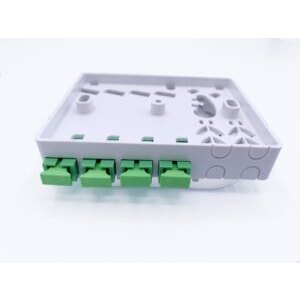
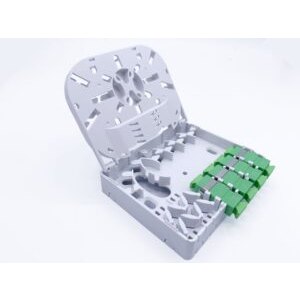
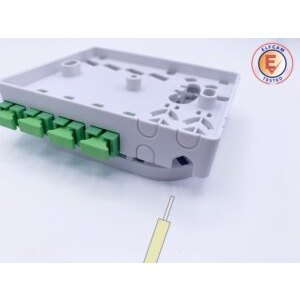
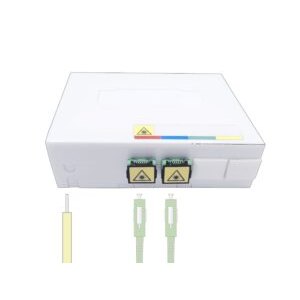
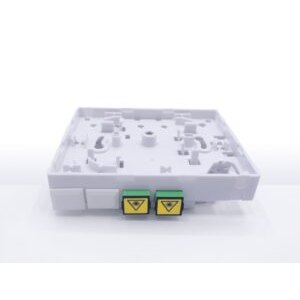
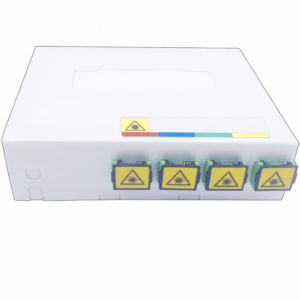
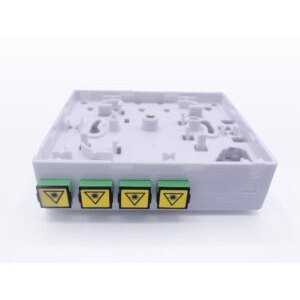
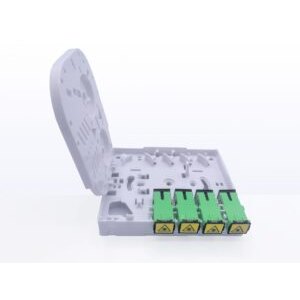
Optische terminal socket (PTO) met SC/APC-interface (1 poort, 2 poorten en 4 poorten) (Ref:2658)
20 comments 1port – 4ports Le prix initial était : 14,99 €.10,99 €Le prix actuel est : 10,99 €. + Ce produit a plusieurs variations. Les options peuvent être choisies sur la page du produit -
Promo !
Sponsorisé
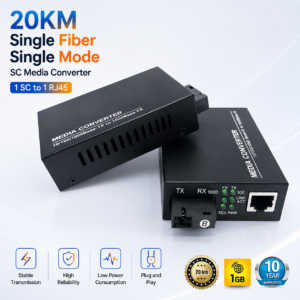
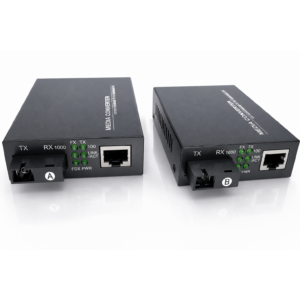
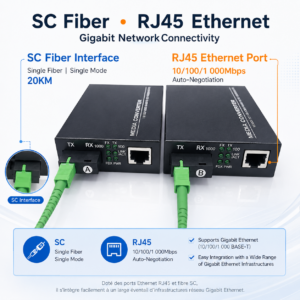
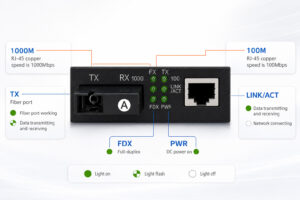
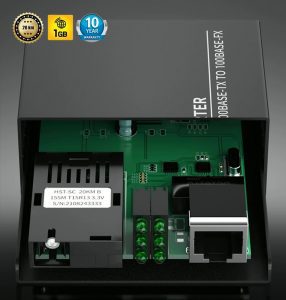
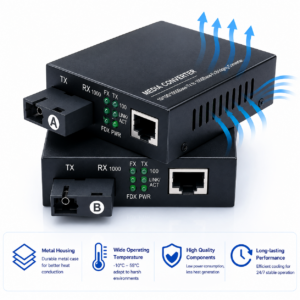
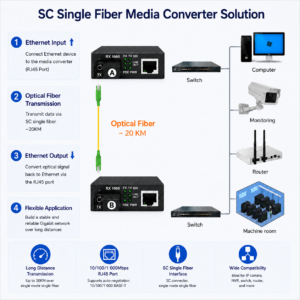
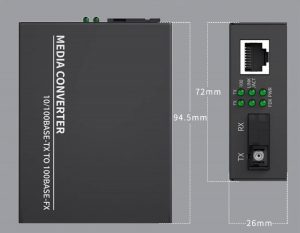
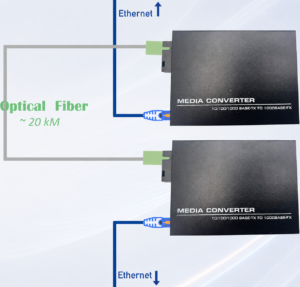
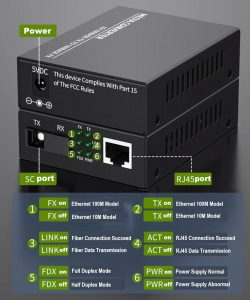
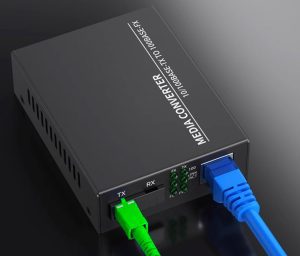
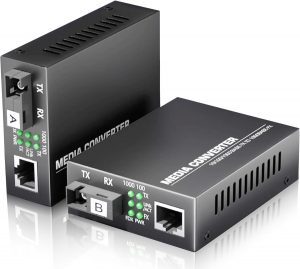
Fiber Ethernet-converter Uitgerust met 1,25G SFP (Mini-GBIC), 1 SC-poort + 1 RJ45-poort, met Single-Mode SC optische glasvezelpoorten, tot een afstand van 20 km (Lot 2) (Ref: 1222)
9 comments Le prix initial était : 39,99 €.36,99 €Le prix actuel est : 36,99 €. + -
Promo !
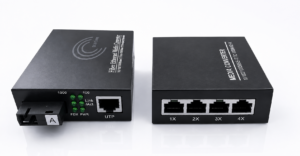
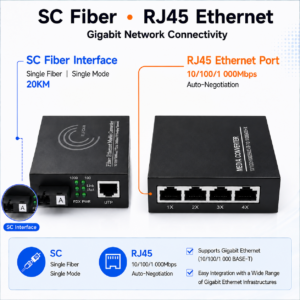
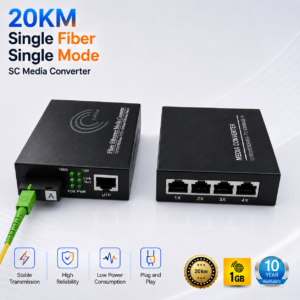
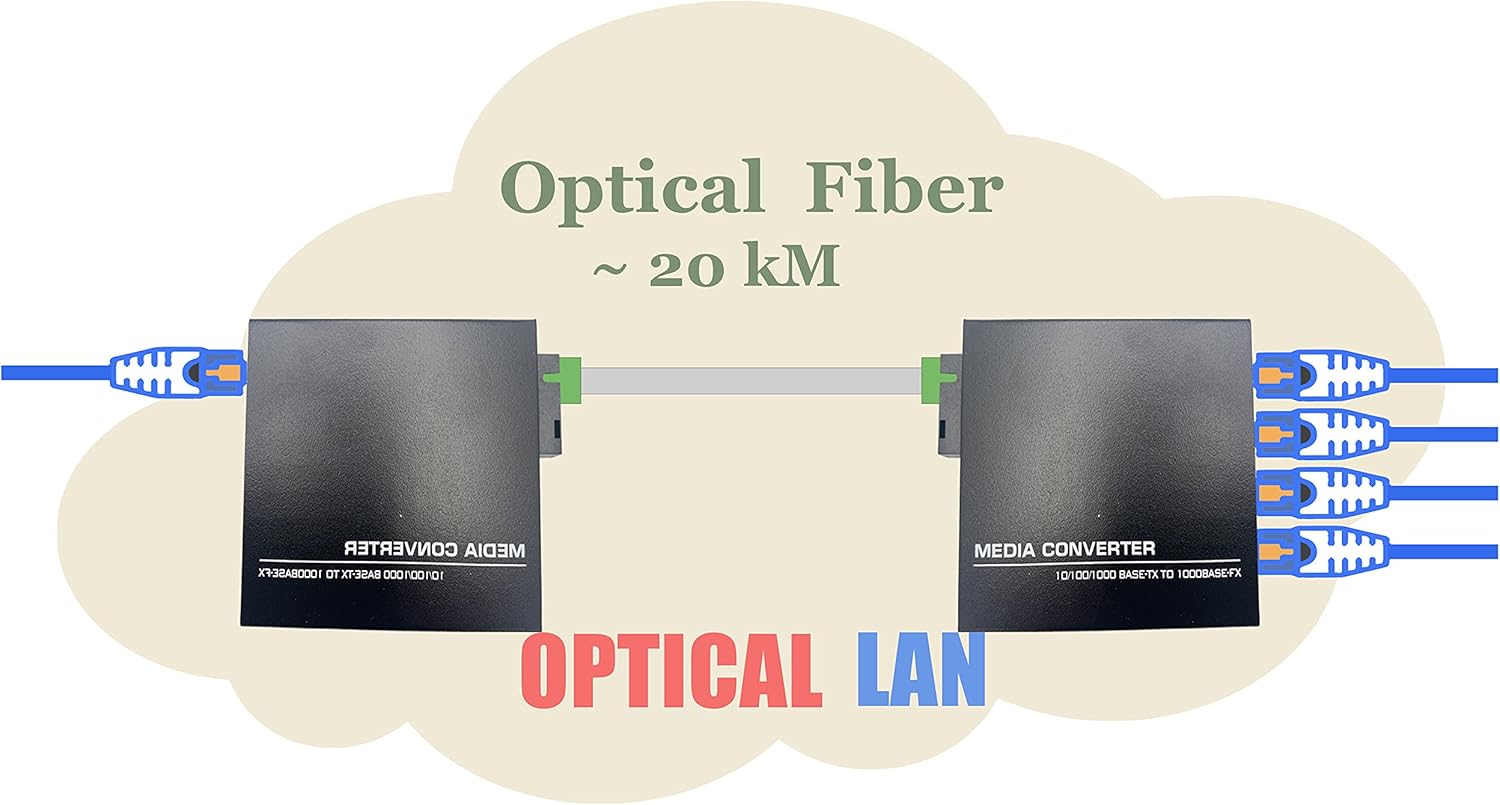
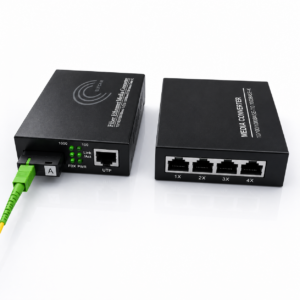
Vezel Ethernet poort 1-poort 4-converter (partij 2) (ref: 2181)
13 comments Lot2-1port-4port Le prix initial était : 64,99 €.54,99 €Le prix actuel est : 54,99 €. + Ce produit a plusieurs variations. Les options peuvent être choisies sur la page du produit
Das Innen-Patchkabel verlegen: Kabel und PTO
Der Techniker des Betreibers installiert die PTO und das Basis-Patchkabel beim Anschluss. Aber Teilnehmer oder Installateure müssen oft ein beschädigtes Patchkabel ersetzen, das Kabel verlängern bis in einen anderen Raum oder die PTO verlegen.
Einige zu beachtende Regeln:
- Die Faser niemals scharf abknicken — der minimale Biegeradius eines Standard-Patchkabels beträgt 30 mm. Darunter steigen die IL-Verluste stark an. G.657B3-Fasern (wie transparente Patchkabel) tolerieren einen Radius von 5 mm.
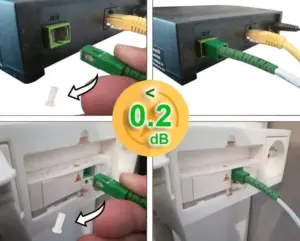
- Die Stecker vor dem Anschließen reinigen — ein staubiger SC/APC-Stecker kann bis zu 3–5 dB zusätzlichen Verlust verursachen. Verwenden Sie einen Einweg-Reinigungsstift oder ein IPA-Tuch 40×40 mm.
- Den Steckertyp prüfen — SC/APC (grün) und SC/UPC (blau) sind mechanisch identisch, aber optisch inkompatibel. Das Einstecken eines SC/UPC in einen SC/APC-Port erzeugt eine hohe Reflexionsrückführung (RL = 25 dB statt ≥60 dB), die die GPON-Übertragung stören kann.
- Geschirmte Kabel für Verlegungen verwenden in technischen Kanälen oder unter Estrich — stahlummantelte Kabel widerstehen Nagetieren und Quetschungen.
Pigtail + PTO: die Lösung für einen sauberen Abschluss
Wenn Sie einen Glasfaserabschluss in einer Verteilerdose herstellen müssen, besteht die professionelle Lösung darin, ein SC/APC-Pigtail auf das Zugkabel zu spleißen und es dann in eine SC/APC-PTO einzuführen. Dieser Ansatz vermeidet die Verwendung von Schnellsteckern (zum Crimpen), die höhere Verluste und eine geringere Haltbarkeit aufweisen.
Unverzichtbare Werkzeuge zum Installieren und Testen der Glasfaser
Im Gegensatz zur Kupferverkabelung erfordert die Glasfaser für jeden Vorgang spezifische Werkzeuge — Zug, Abschluss, Test. Ein ungeeignetes oder schlecht kalibriertes Werkzeug kann Fehler erzeugen, die mit bloßem Auge unsichtbar, aber durch Messung erkennbar sind.
Die unverzichtbaren Werkzeuge nach Schritt:
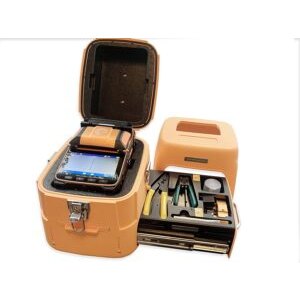
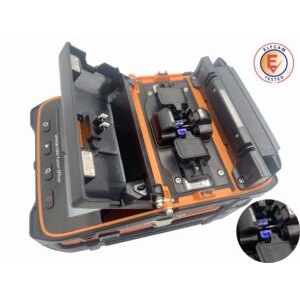
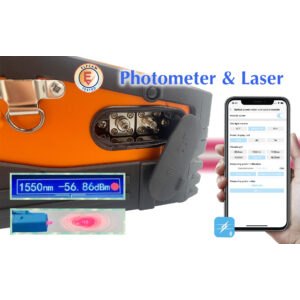
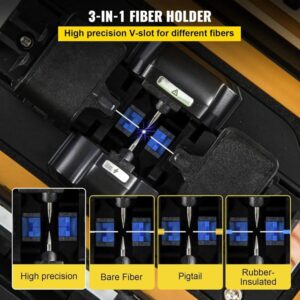
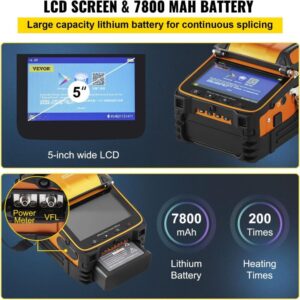
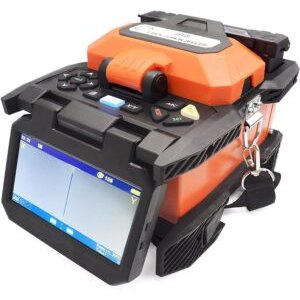
- Fusionsspleißgerät — Hauptwerkzeug zur Herstellung eines dauerhaften Faserspleißes (typischer Verlust 0,02 dB). Touchscreen-Spleißgeräte vom Typ AI-9 oder S-10 übernehmen die automatische Ausrichtung und programmieren die Spleißprofile für G.652D- und G.657-Fasern.
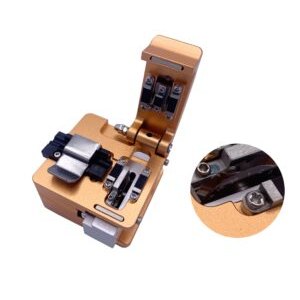
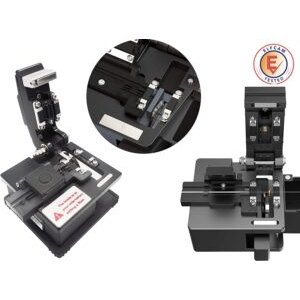
- Präzisions-Cleaver — bereitet das Faserende für den Spleiß mit einem Bruchwinkel ≤0,5° vor. Ein schlechter Bruch ist die häufigste Ursache für einen fehlerhaften Spleiß.
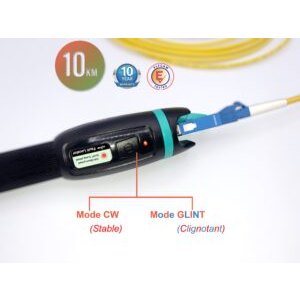
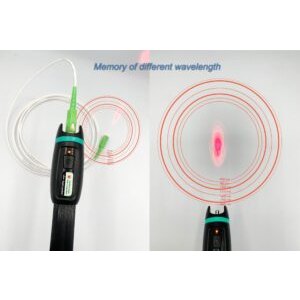
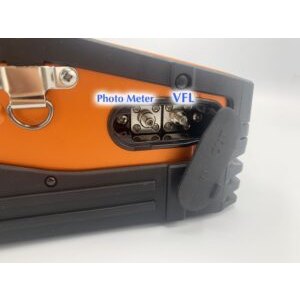
- Visueller Fehlersucher VFL — roter Laser 650 nm zum Lokalisieren von Brüchen, übermäßigen Biegungen und schlechten Kontakten. Unverzichtbar für eine schnelle Diagnose vor Ort.
- Optisches Multimeter / Leistungsmessgerät — misst die optische Leistung (dBm), um das optische Budget einer Verbindung zu prüfen und die Konformität einer FTTH-Installation zu validieren.
- OTDR — für Langstreckennetze oder komplexe Installationen kartiert das OTDR jedes Ereignis (Spleiß, Stecker, Bruch) über die gesamte Länge der Faser.
-
Promo !
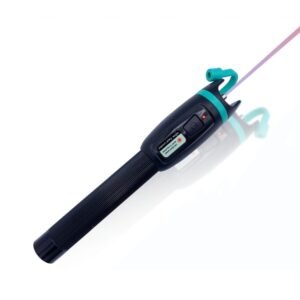
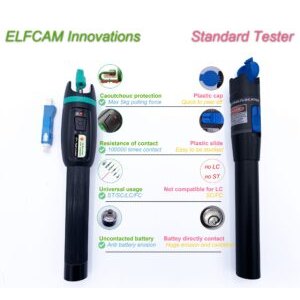
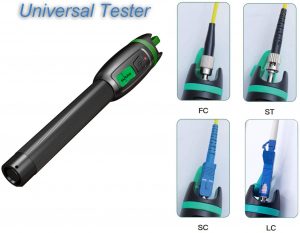
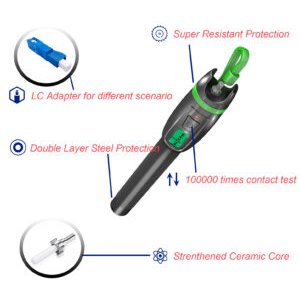
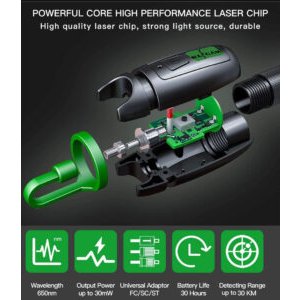
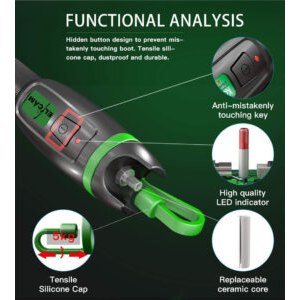
FTTH VFL optische pen, rode laser visuele locator (Ref:1164)
34 comments 10mW Unique – 50mW avec l'adaptateur SC/LC Le prix initial était : 23,99 €.19,99 €Le prix actuel est : 19,99 €. + Ce produit a plusieurs variations. Les options peuvent être choisies sur la page du produit -
Promo !
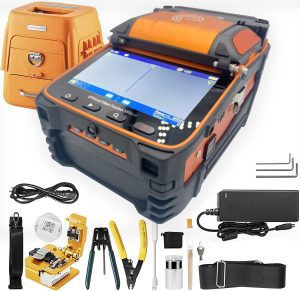
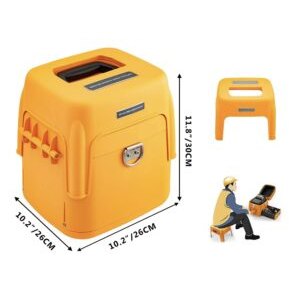
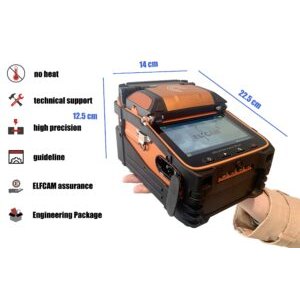
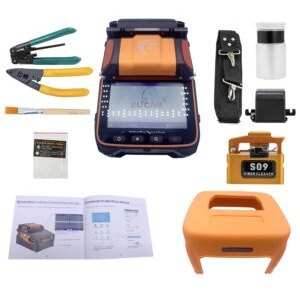
AI-9 glasvezel lasset, touchscreen voor FTTH FTTx (Ref:3881)
58 comments Le prix initial était : 1 059,99 €.929,98 €Le prix actuel est : 929,98 €. + -
Promo !
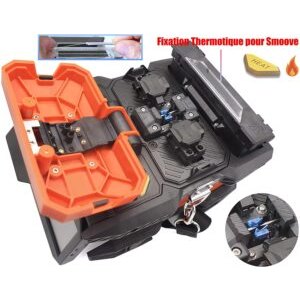
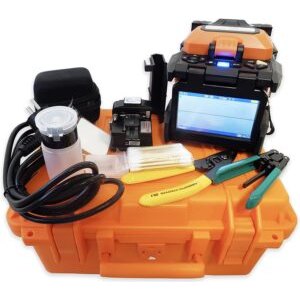
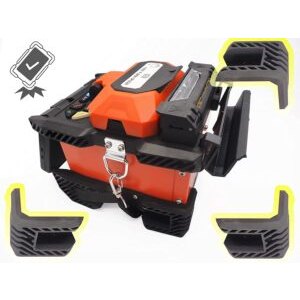
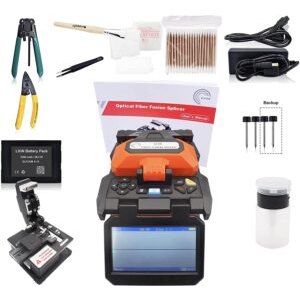
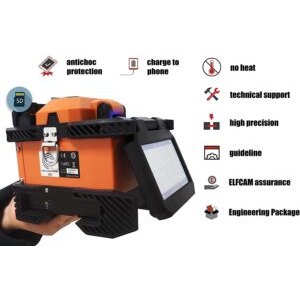
Mini optische vezellasapparaat S-10 voor FTTH FTTx (Ref:4997)
6 comments Le prix initial était : 899,00 €.769,99 €Le prix actuel est : 769,99 €. + -
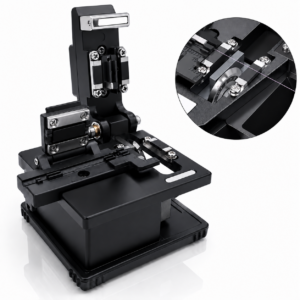

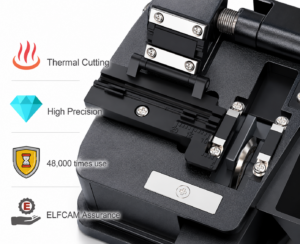
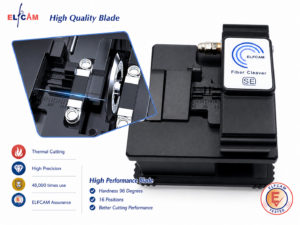
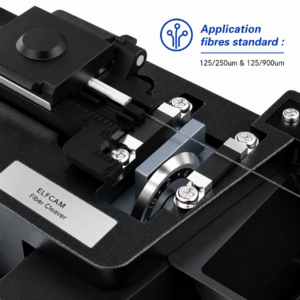
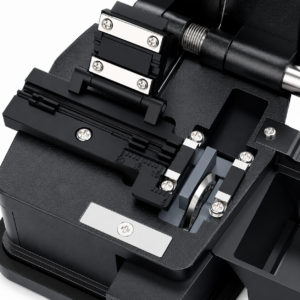
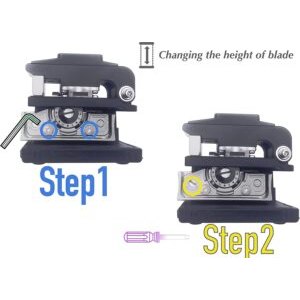
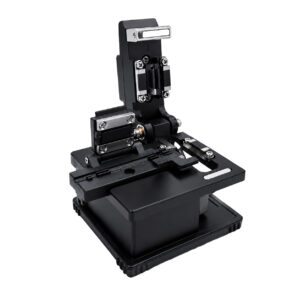
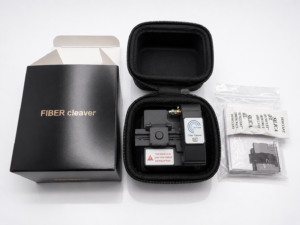
Elfcam - SE hogeprecisie fiber cleaver voor glasvezelsnijder/cleaver en fusielasapparaat (SE) (Ref: 6463)
2 comments 46,99 € +
Niemals direkt in eine aktive Faser blicken
Eine aktive FTTH-Faser überträgt ein Infrarot-Lasersignal bei 1490 nm (mit bloßem Auge unsichtbar) mit einer Leistung von +3 bis +5 dBm. Diese Leistung reicht aus, um irreversible Netzhautschäden zu verursachen. Verwenden Sie immer einen VFL mit Sicherheitsverschluss und prüfen Sie das Fehlen eines Signals vor jeder Handhabung eines Steckers.