FTTP, FTTH, FTTC, FTTX : understanding all the fiber optic acronyms

Contents
FTTx is the generic acronym that refers to all fiber optic deployment architectures, with the "x" replaced by a letter indicating how far the fiber reaches : home (H), building (B), curb (C), node (N), antenna (A), office (O)...
Understanding these acronyms is essential to :
- Choose the right plan with your operator
- Assess the expected performance (real speed, stability)
- Understand the eligibility of your address
What is FTTx ?
The term FTTx (Fiber to the X) covers all fiber deployment variants :
- FTTH — Fiber to the Home
- FTTP — Fiber to the Premises
- FTTB — Fiber to the Building
- FTTC — Fiber to the Curb (cabinet)
- FTTN — Fiber to the Neighborhood (node)
- FTTA — Fiber to the Antenna
- FTTO — Fiber to the Office
- FTTD — Fiber to the Desk
The farther the fiber goes (all the way to the home = FTTH), the higher the performance. The earlier it stops (at the node = FTTN), the more performance depends on the quality and length of the final copper.
FTTH / FTTP : fiber all the way to the home
FTTH (Fiber to the Home) and FTTP (Fiber to the Premises) refer to a 100% fiber optic connection, from the operator's central office to the subscriber's home or office. The two terms are synonymous : FTTH is the consumer term, FTTP the generic technical term.
Performance :
- Speed : 1 to 10 Gbps
- Latency : 2-5 ms
- Stability : excellent, independent of distance
FTTB : fiber all the way to the building
FTTB (Fiber to the Building) = the fiber reaches the foot of the building (PBO in the basement or technical room), then internal distribution is done via Ethernet cable (Cat 5e/6/6A) or vertical fiber in the riser.
Typical case in France : older buildings where the building management did not authorize fiber installation in the risers. Operators then deploy :
- Fiber up to the PBO at the foot of the building
- Internal distribution via VDSL2 or G.fast (high-speed copper)
- Performance : 100 Mbps to 1 Gbps depending on the internal copper technology
FTTC : fiber all the way to the curb
FTTC (Fiber to the Curb) or FTTCab (Fiber to the Cabinet) = the fiber stops at the street cabinet (sub-distribution point), then the signal travels over the existing VDSL2 copper wires to the subscriber.
Performance limited by the length of the copper :
- Distance cabinet → home : 100 to 500 m maximum
- Download speed : 30 to 100 Mbps
- Upload speed : 5 to 20 Mbps
- Sensitive to humidity, copper aging
FTTN : fiber all the way to the node
FTTN (Fiber to the Node / Neighborhood) = the fiber reaches a central neighborhood node (often 1-2 km from the home), then copper serves several hundred subscribers over long distances.
This is the most economical architecture but also the least performant :
- Copper distance : up to 1-2 km
- Download speed : 5 to 50 Mbps (highly variable)
- Performance close to enhanced ADSL2+
Other variants (FTTA, FTTO, FTTD)
- FTTA (Fiber to the Antenna) — fiber run all the way to 4G/5G base stations. Essential for the modern RAN (Radio Access Network)
- FTTO (Fiber to the Office) — fiber to the office, the enterprise equivalent of FTTH
- FTTD (Fiber to the Desk) — fiber directly to the office socket (rare, for critical workstations : trading, video editing)
FTTA and 5G : why it's critical
5G base stations (small cells) each generate 10-25 Gbps of traffic. Connecting them with fiber (FTTA) is mandatory to handle this throughput — copper is largely insufficient. All urban 5G deployments use FTTA.
Complete FTTx comparison table
| Acronym | Fiber reaches up to | Final copper distance | Max speed | Use |
|---|---|---|---|---|
| FTTH/FTTP | Home / Office | 0 m (no copper) | 10 Gbps | 2026+ standard |
| FTTB | Foot of building | 10-50 m (Ethernet/G.fast) | 1 Gbps | Uncabled buildings |
| FTTC | Street cabinet | 100-500 m (VDSL2) | 100 Mbps | Moderately dense areas |
| FTTN | Neighborhood node | 1-2 km (VDSL/ADSL2+) | 50 Mbps | Rural/older areas |
| FTTA | 4G/5G antenna | N/A | 25+ Gbps | Mobile backhaul |
| FTTO | Enterprise office | 0 m | 10 Gbps | SMBs, head offices |
| FTTD | Workstation | 0 m | 10 Gbps | Critical workstations (trading, video) |
Elfcam equipment for FTTx deployment
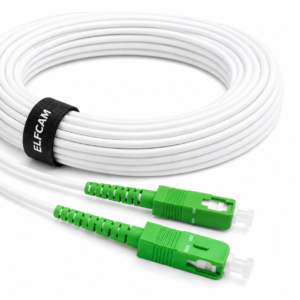
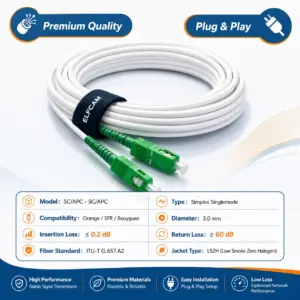
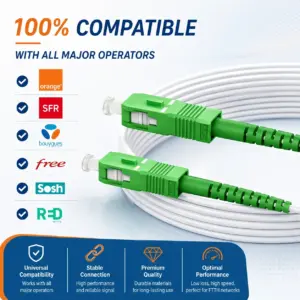
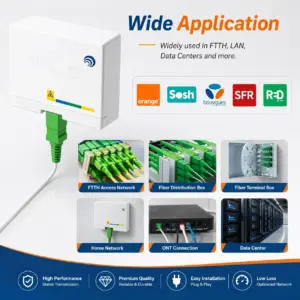
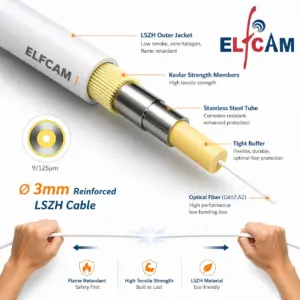
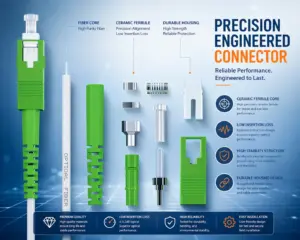
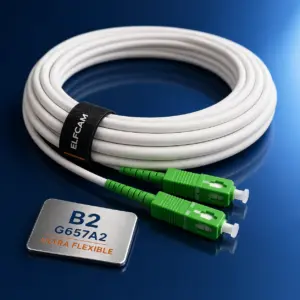
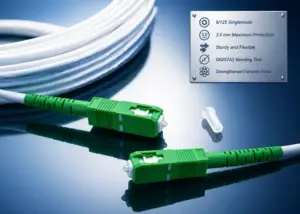
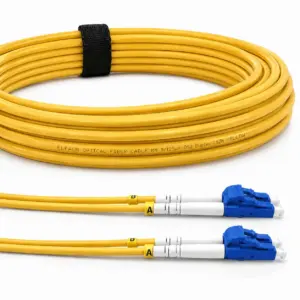
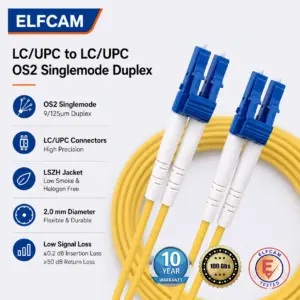
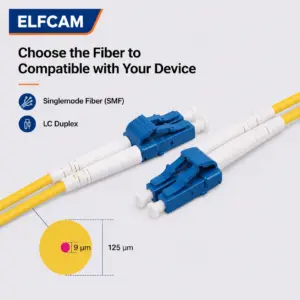
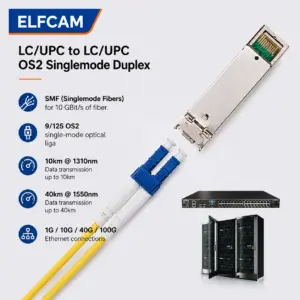
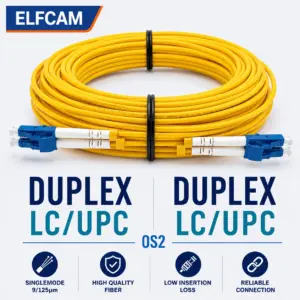
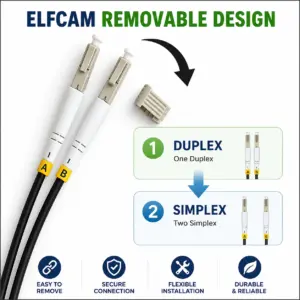
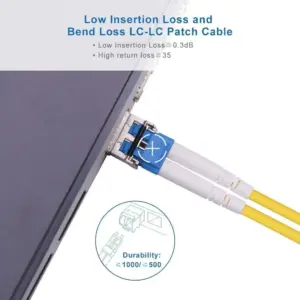
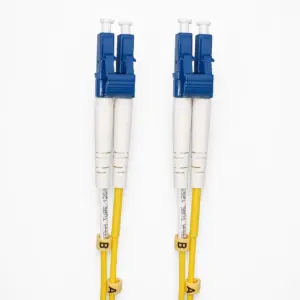
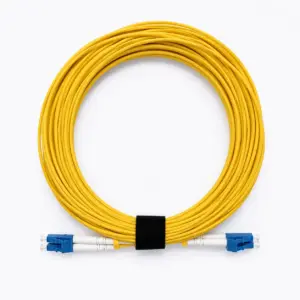
- OS2 fiber cables and SC/APC patch cords — all FTTx architectures
- PLC splitters — multi-subscriber distribution
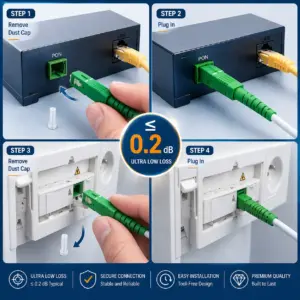
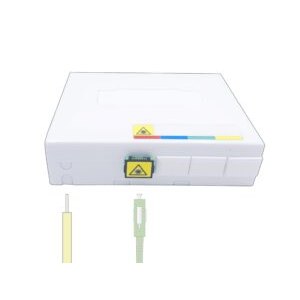
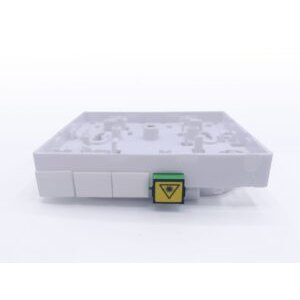
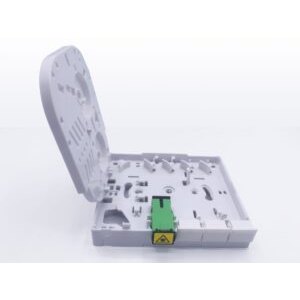
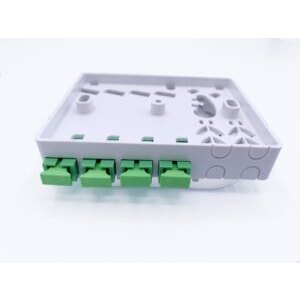
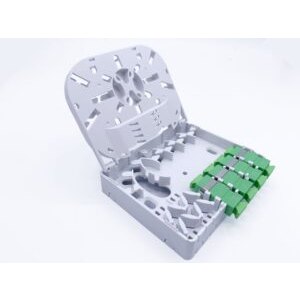
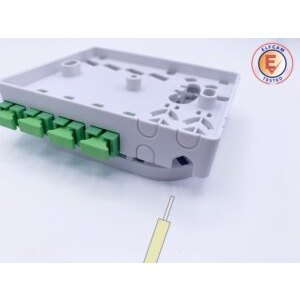
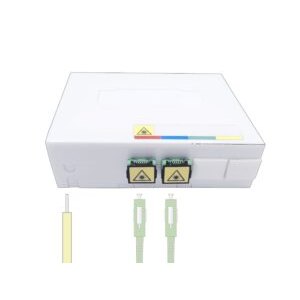
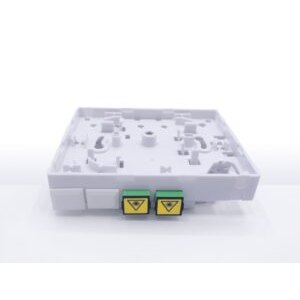
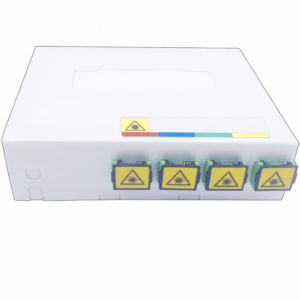
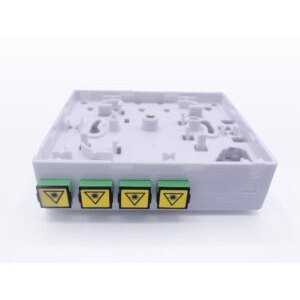
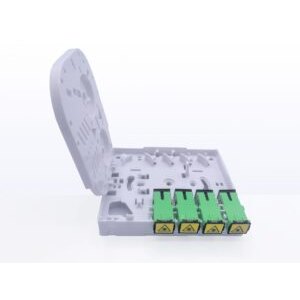
- PTO — FTTH termination on the subscriber side
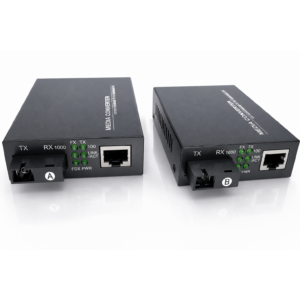
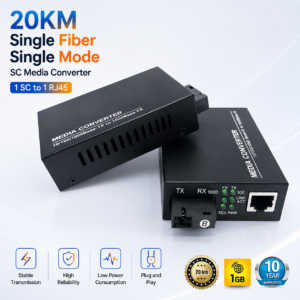
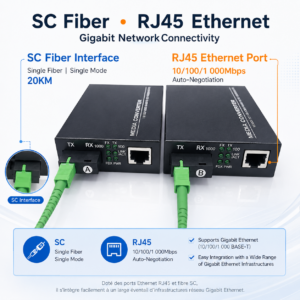
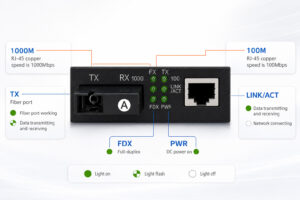
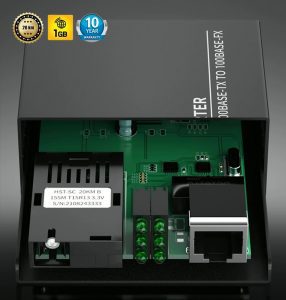
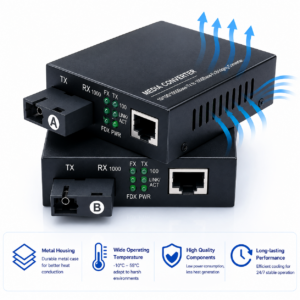
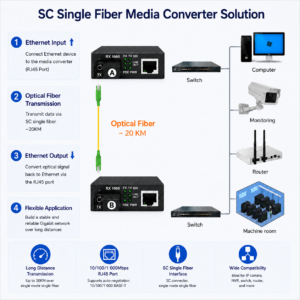
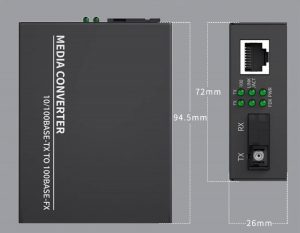
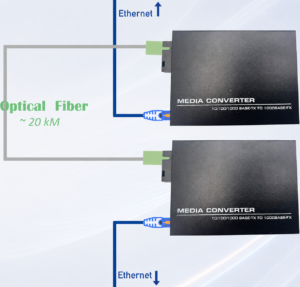
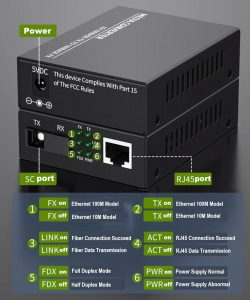
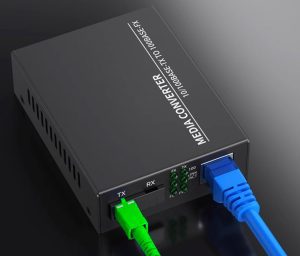
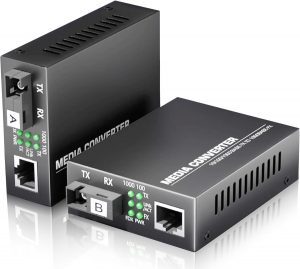
- Fiber/Ethernet converters — for FTTB and connections

FAQ — FTTx and fiber acronyms
1Which FTTx predominates in France ?
2How do I know which FTTx I have ?
- Type of wall socket : white PTO SC/APC = FTTH ; RJ11 phone socket = ADSL or FTTC
- Box provided by the operator : the word "Fiber" does not guarantee FTTH
- ARCEP or operator eligibility map : precisely indicates the type of connection
3FTTH or FTTP : which one to use ?
4What's the difference between FTTB and FTTH ?
FTTB : the fiber stops at the foot of the building, with internal distribution via Ethernet or G.fast (high-speed copper). FTTB performance ≈ 100 Mbps - 1 Gbps depending on internal distribution, versus 1-10 Gbps in pure FTTH.
5Is FTTC really fiber ?
6Is FTTA used for 5G ?
7Is FTTD useful for remote work ?
8Where to buy FTTx equipment ?
In summary
FTTx = generic family. FTTH/FTTP = fiber all the way to the home (the best). FTTB = up to the building. FTTC = up to the cabinet (copper 100-500 m). FTTN = up to the node (copper 1-2 km, limited performance). In 2026, aim for FTTH/FTTP wherever possible.
For your FTTH installations, see our fiber optic cable range, adapters and network switches.